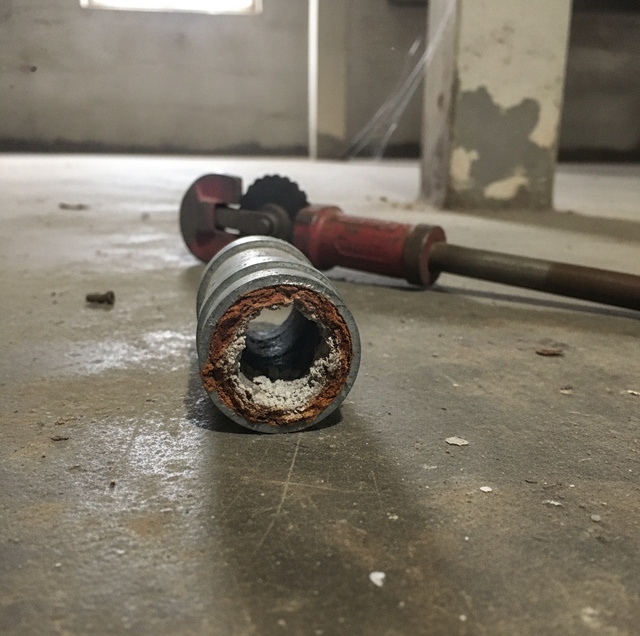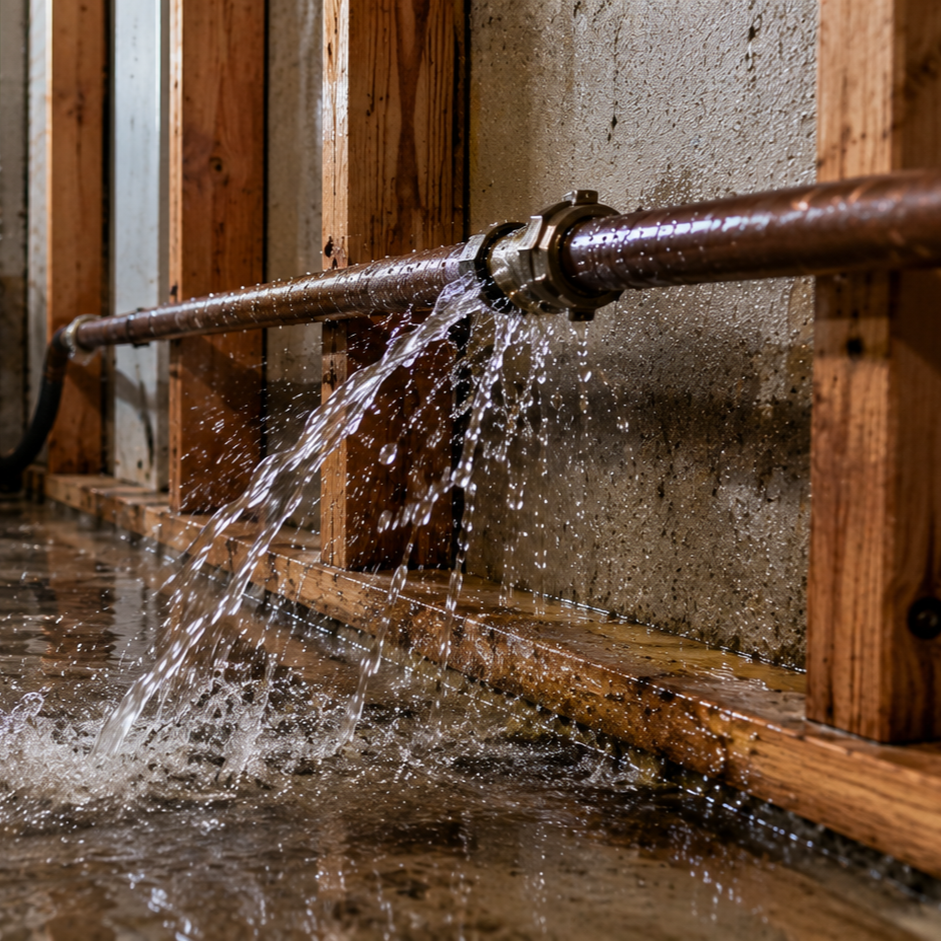
A pinhole leak in one copper line and a corroded galvanized system that keeps failing every few months are not the same problem, even though both can show up as the same wet spot on a wall or a puddle under a sink.
Read More
A pinhole leak in one copper line and a corroded galvanized system that keeps failing every few months are not the same problem, even though both can show up as the same wet spot on a wall or a puddle under a sink.
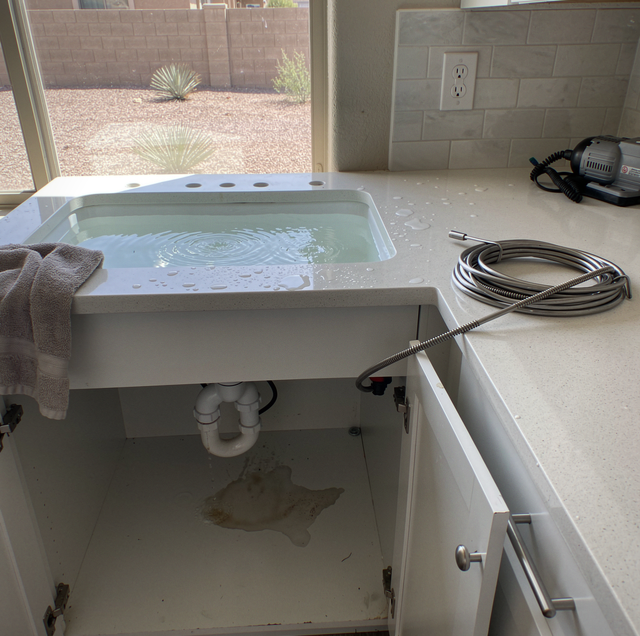
Read MoreA kitchen sink drains more slowly each week until it stops draining at all. A plumber runs a cable, the water rushes through, and everyone moves on. Then six weeks later the same sink backs up again, at the same spot, in the same way.
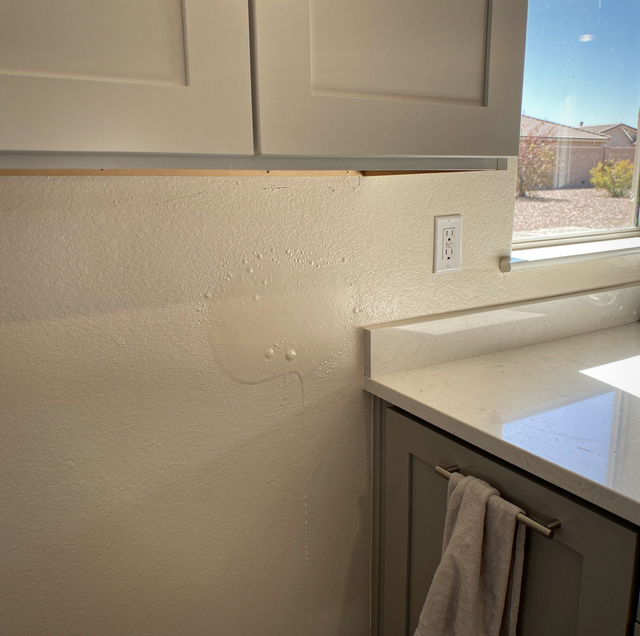
Read MoreA discolored patch of drywall and a warm patch of tile are not the same problem, even though both usually trace back to a hidden supply line losing water somewhere it shouldn't. One points toward a pipe inside a wall cavity.
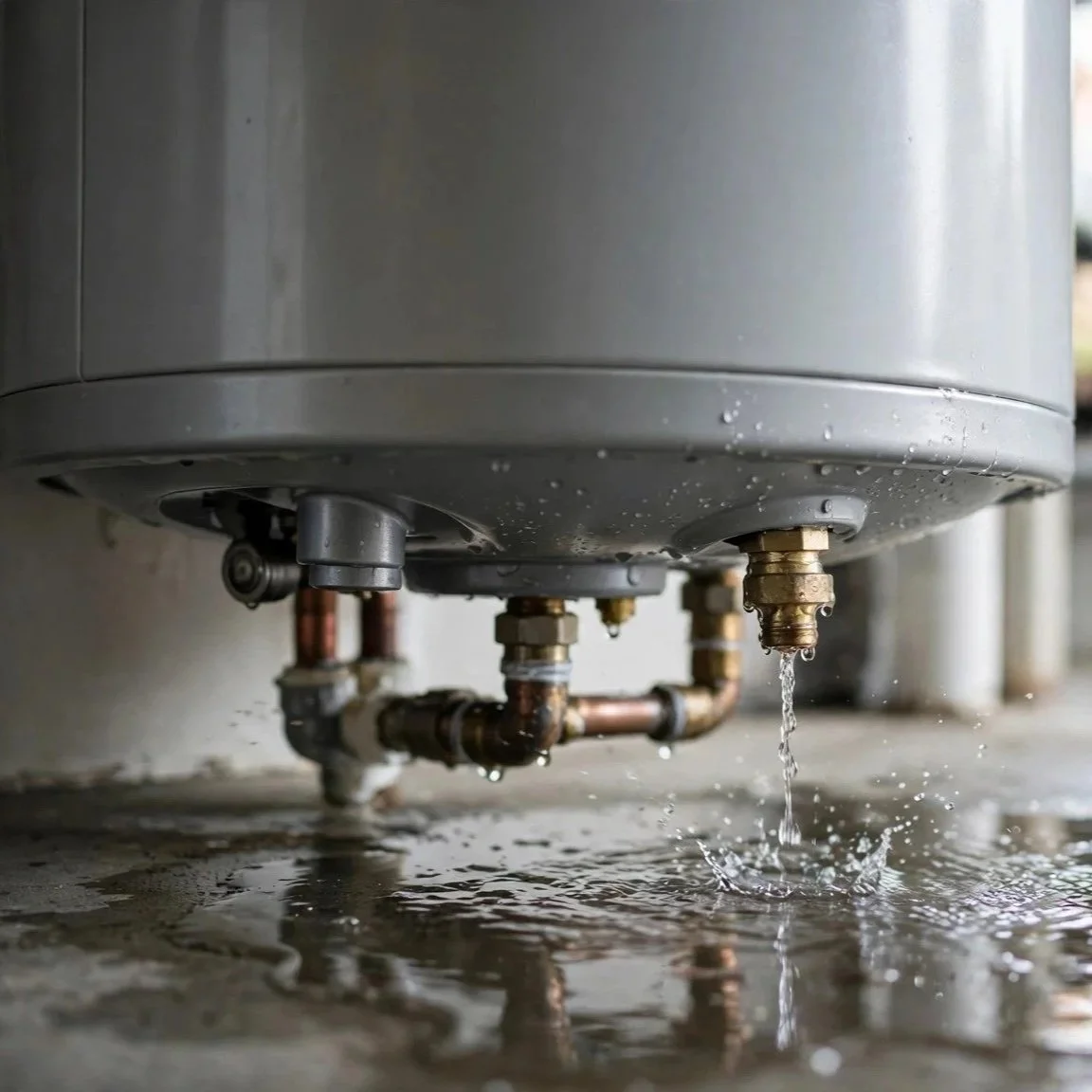
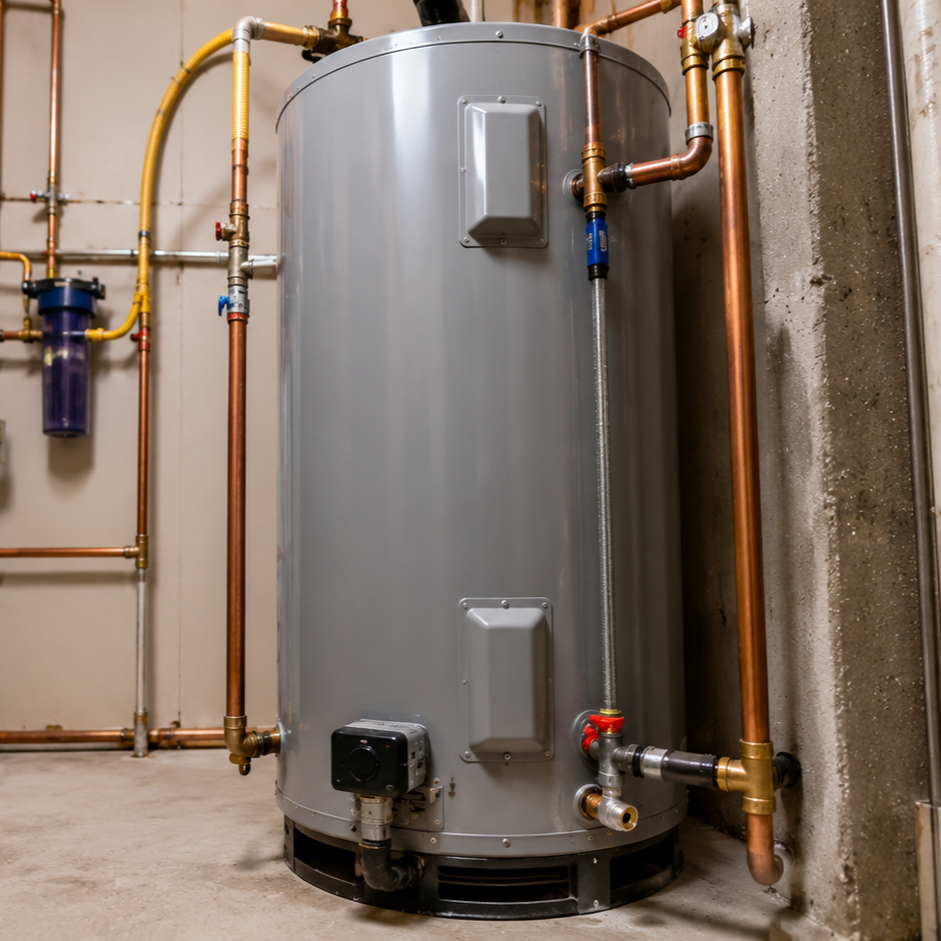
Read MoreFinding water under the tank is a sinking feeling, and your first instinct is to figure out how bad it is. The good news is that the location of the leak tells you almost everything you need to know.
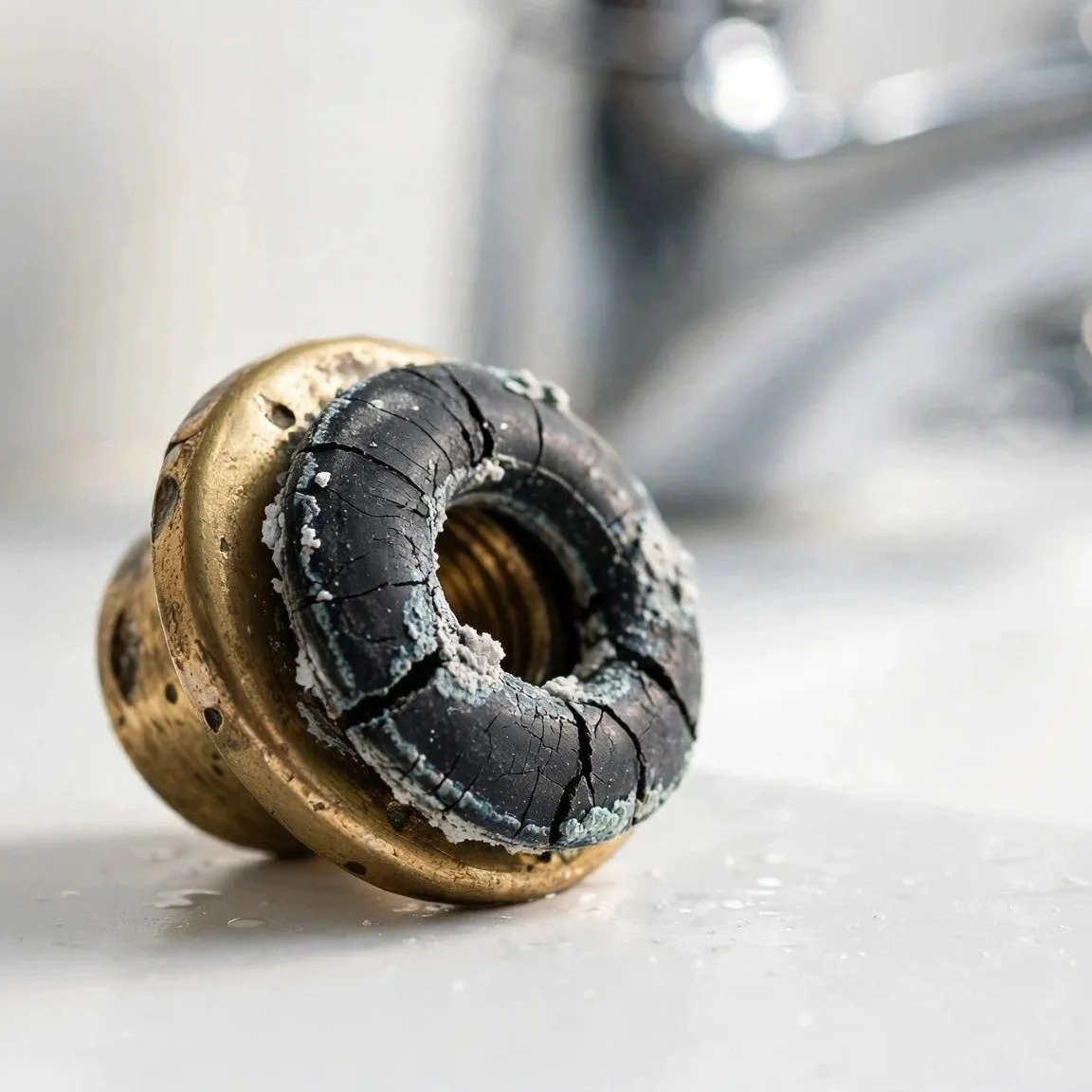
Read MoreEvery faucet holds back household water pressure with a moving seal. Turn the handle off and a soft component gets pressed hard against a machined surface, closing the only path water has out of the spout.
Read MoreMost of the time, a spike is not a billing error. It is water leaving your pipes without anyone using it, day and night, through a leak small enough to stay silent.
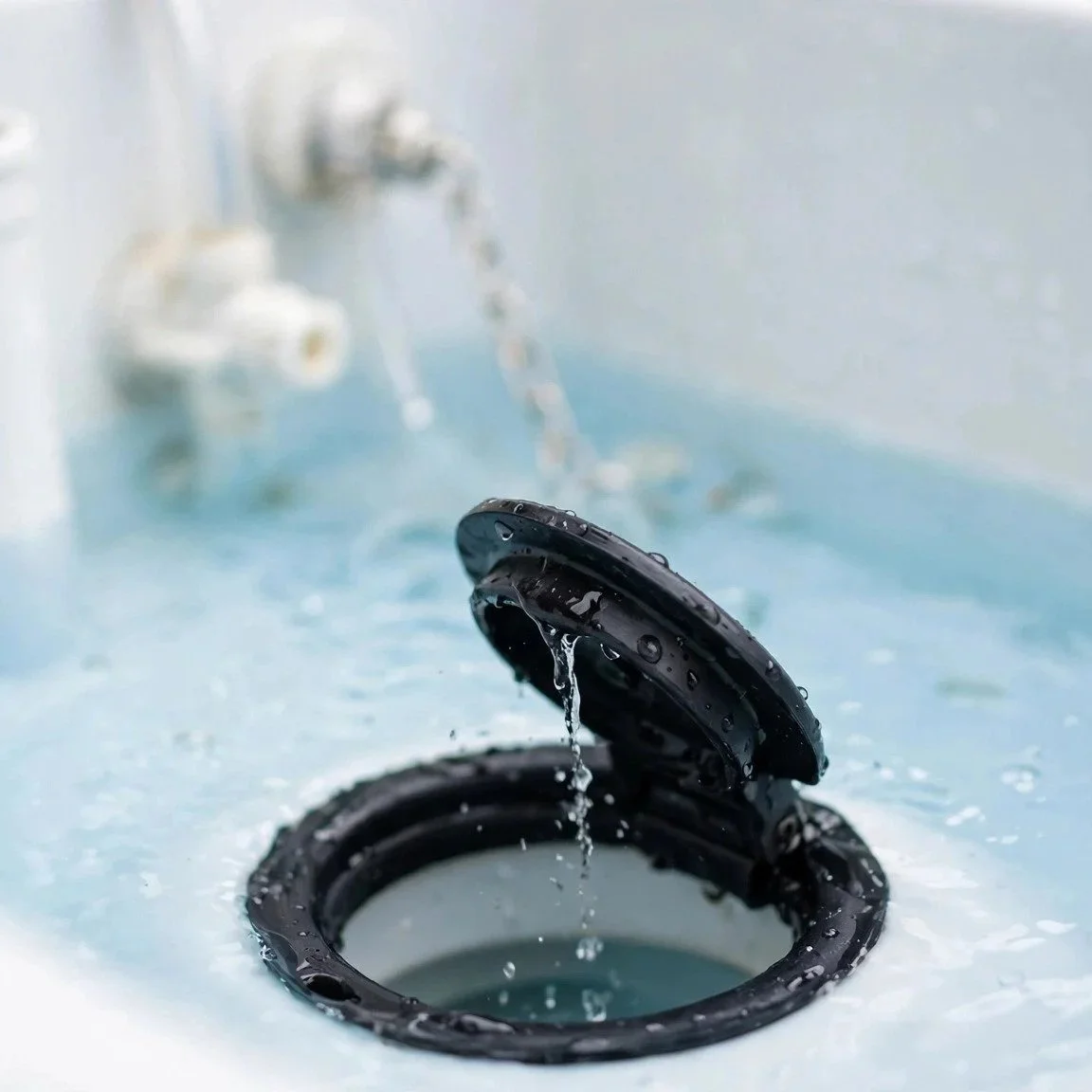
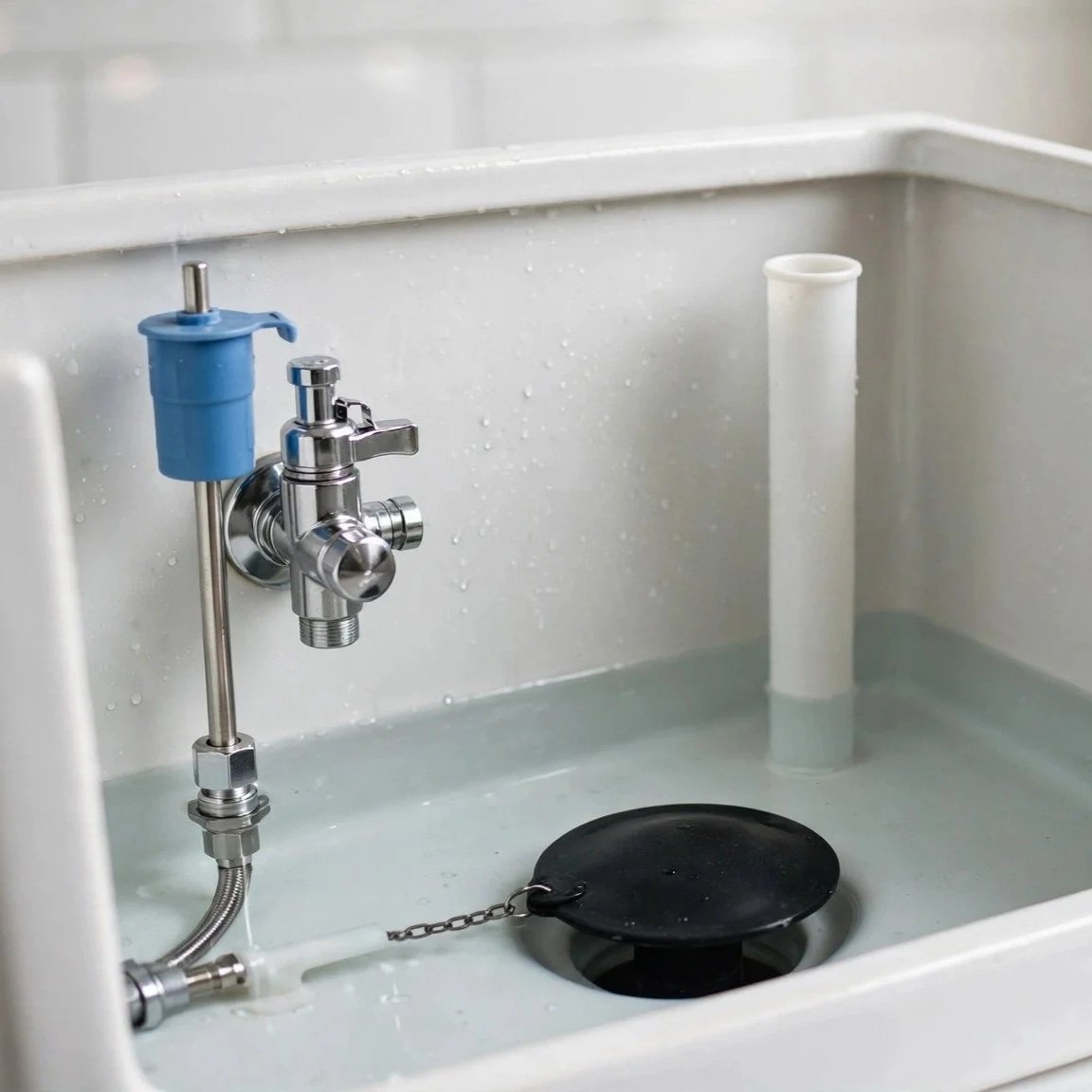
Read MoreBefore you look for a plunger or grab towels, cut the flow. Two water sources are feeding an overflow, and you can shut both from the tank.
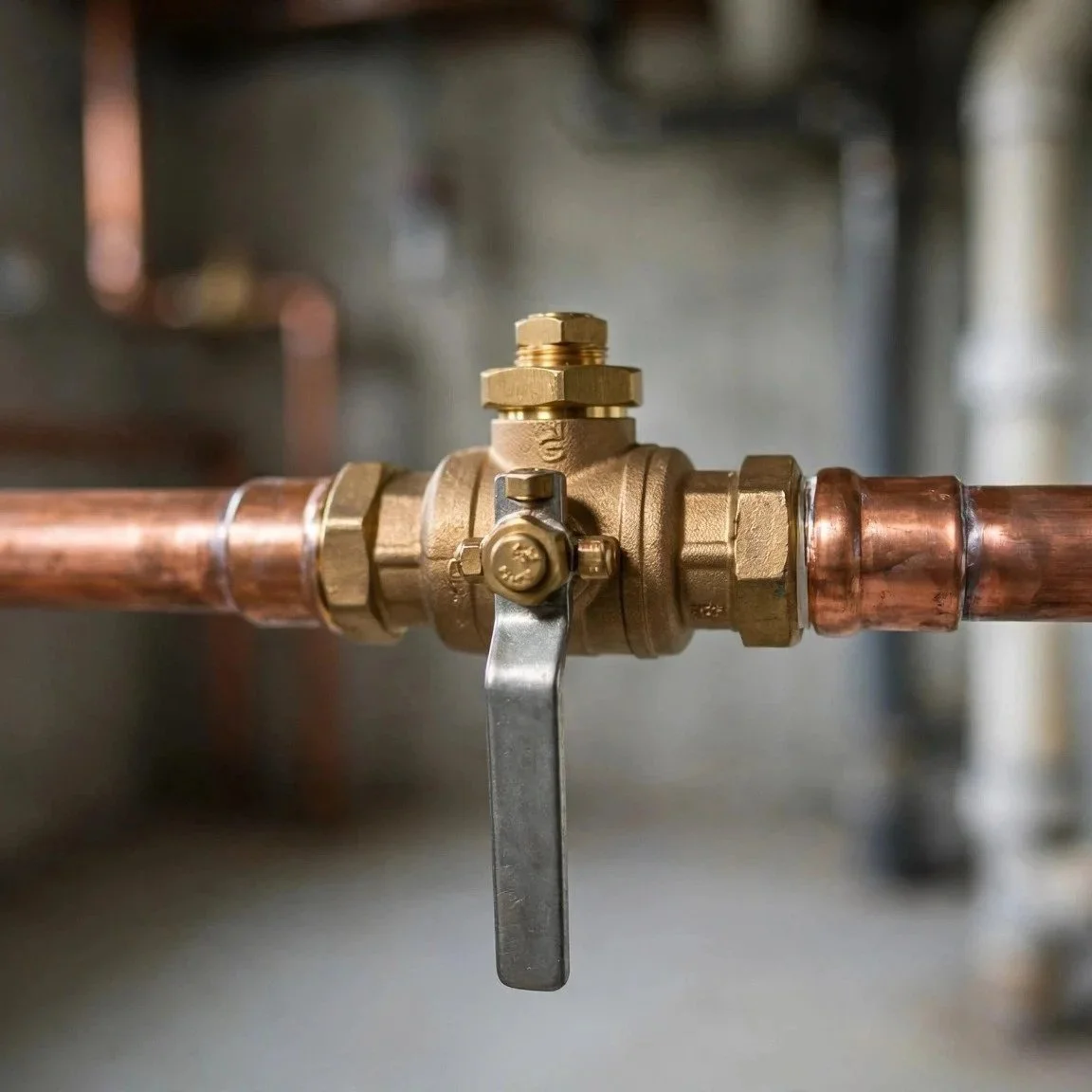
Read MoreMost people find out they do not know the answer during the emergency itself. The valve is behind a stack of storage bins, the handle is painted shut, or nobody realizes there is more than one place to cut the flow.
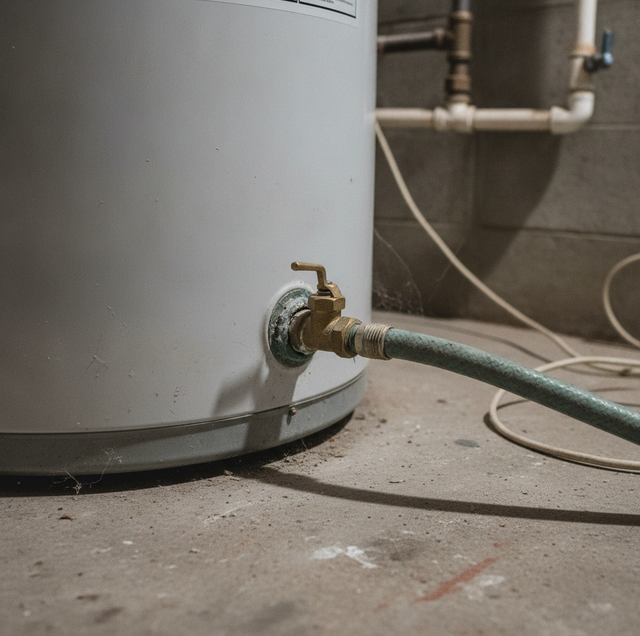
Read MoreIf your water heater has started popping, rumbling, or crackling every time it runs, the tank is trying to tell you something. It is not haunted, and it is rarely on the verge of exploding.
Read MoreA toilet that clogs once in a while is usually a one-off: too much paper, a bad day, a quick fix with the plunger, and you move on. A toilet that clogs every week or two is a different animal.
Read MoreA little drop when two fixtures compete is normal. A dramatic one is not, and it points to a specific limitation in your plumbing that is worth understanding, because the fix depends on which limitation you have.
Read MoreMost homes built on a slab route the copper or PEX supply piping through or below that slab, and when one of those lines springs a leak, the water has nowhere to go but into the ground and the concrete above it.
Read MoreWhen people look to improve their home's water, two common options come up: a whole-house water softener and an under-sink filter. They're often discussed as if you have to choose one, but they actually do different things and solve different problems.
Read MoreStepping into a shower that goes cold before you're done is a clear sign your water heater isn't keeping up. If it used to deliver plenty of hot water and now comes up short, something has changed — and most of the causes can be pinned down and fixed.
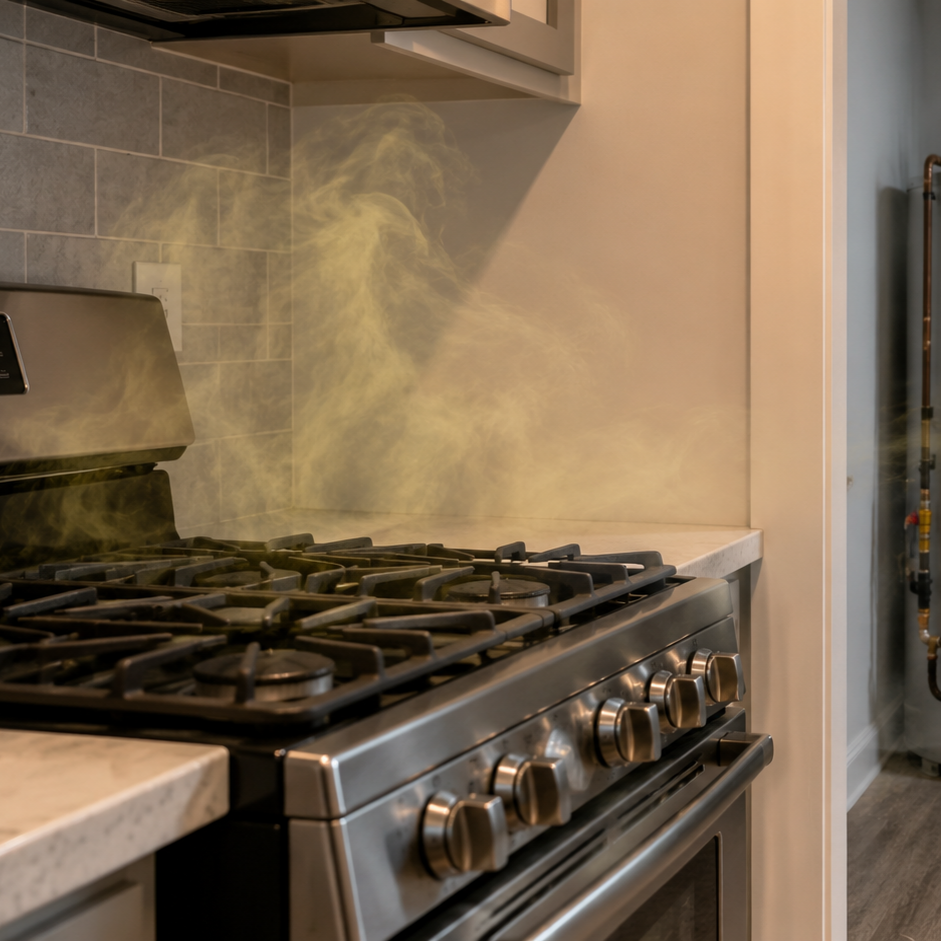
Read MoreNatural gas is naturally odorless, so gas companies add a distinctive smell — described as rotten eggs or sulfur — specifically so leaks can be detected. If you notice a rotten-egg or sulfur odor near your stove, furnace, water heater, or anywhere in your home, treat it as a potential gas leak.
Read MoreWater and electricity in the same room is the part of this that can actually hurt you. If the leak is anywhere near outlets, light fixtures, or an electrical panel — or if water is spreading toward them — switch off the breakers to that part of the house at the panel.
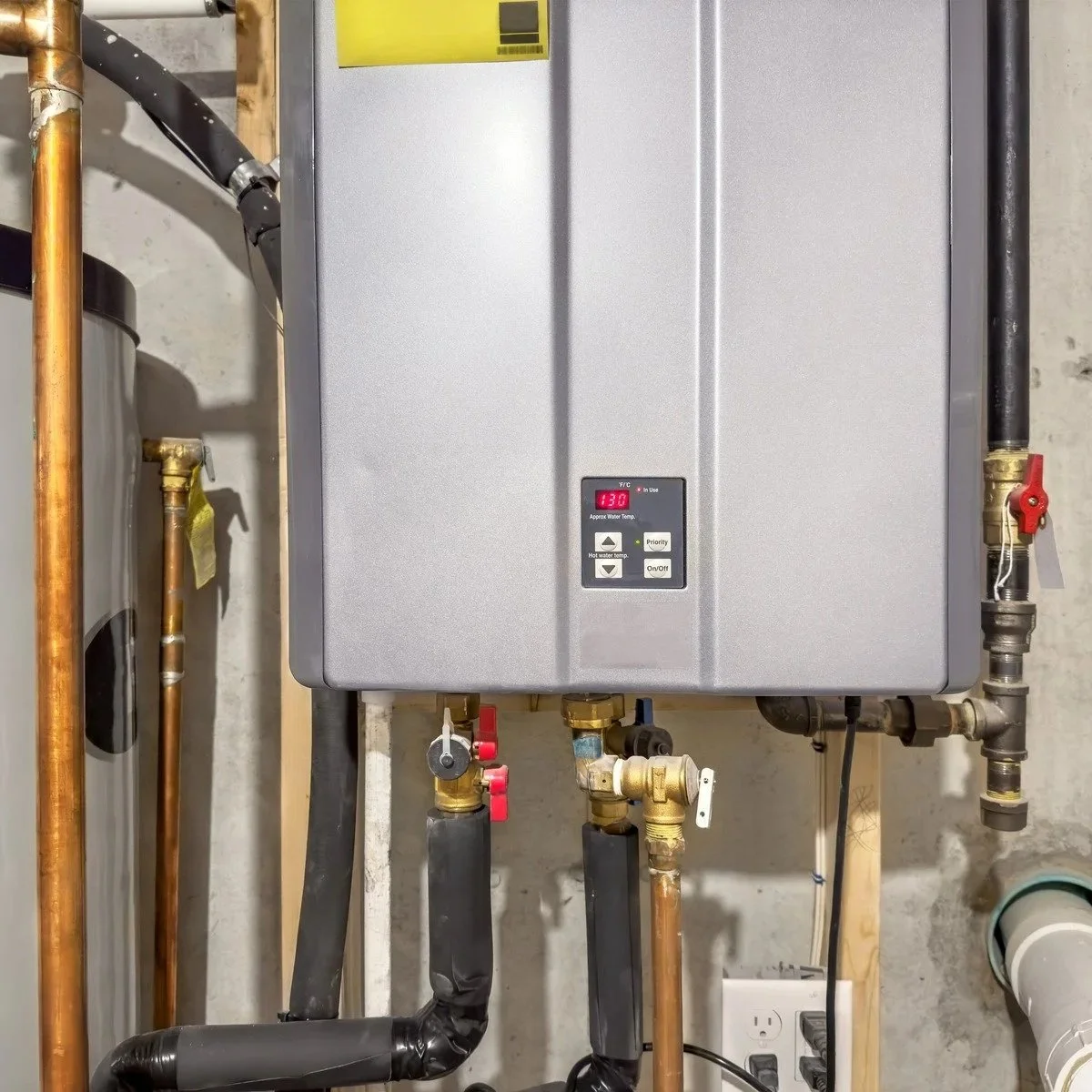
Read MoreA tankless unit holds almost no water. When you open a hot tap, a flow sensor fires a powerful gas burner or bank of electric elements, and water races through a heat exchanger that raises its temperature on the way to the faucet.
Read MoreA quiet toilet is a happy one, but when the handle stops working, or the bowl won't clear, the issue usually traces back to the tank—the unsung hero behind the scenes.
Read MoreYou shuffle to the mailbox, coffee in hand, only to find a number that looks like it belongs on a car payment.
Read MoreResidential gas lines are designed to last for many years, but their efficiency and safety require ongoing maintenance.
Read More