
Sudden High Water Bill? 6 Hidden Causes to Check First
You open the water bill, and the number is 30, 50, sometimes 100 percent higher than last month. Nobody moved in, no faucet is gushing, and yet the utility says you used far more water than usual. That gap between what you notice and what you paid for is the whole puzzle, and it usually has a physical answer hiding somewhere in the house.
Most of the time, a spike is not a billing error. It is water leaving your pipes without anyone using it, day and night, through a leak small enough to stay silent. The good news is that a few of these leaks are the usual suspects, and you can rule several of them in or out yourself in under an hour before you ever pick up the phone.
Start With the Water Meter, Not a Guess
Before you tear into any theory, prove whether water is moving when it shouldn't be. Your meter is the one instrument that sees every drop entering the property, so it settles the question of leak versus no leak in one test.
How to run the meter test: Turn off every water-using thing you can: faucets, the dishwasher, the washing machine, the ice maker, the irrigation timer, and anyone about to shower. Then walk out to the meter, usually near the street or the front of the property in a covered box, and look at the reading.
Most meters have a small triangular or star-shaped leak dial (sometimes a red or blue disc) that spins whenever water flows, even slowly. If that dial creeps while the house is dead quiet, water is escaping somewhere past the meter.
A meter that sits perfectly still tells you something too. It nudges the cause toward a non-leak explanation, which narrows the search considerably.
The Toilet Is the Prime Suspect
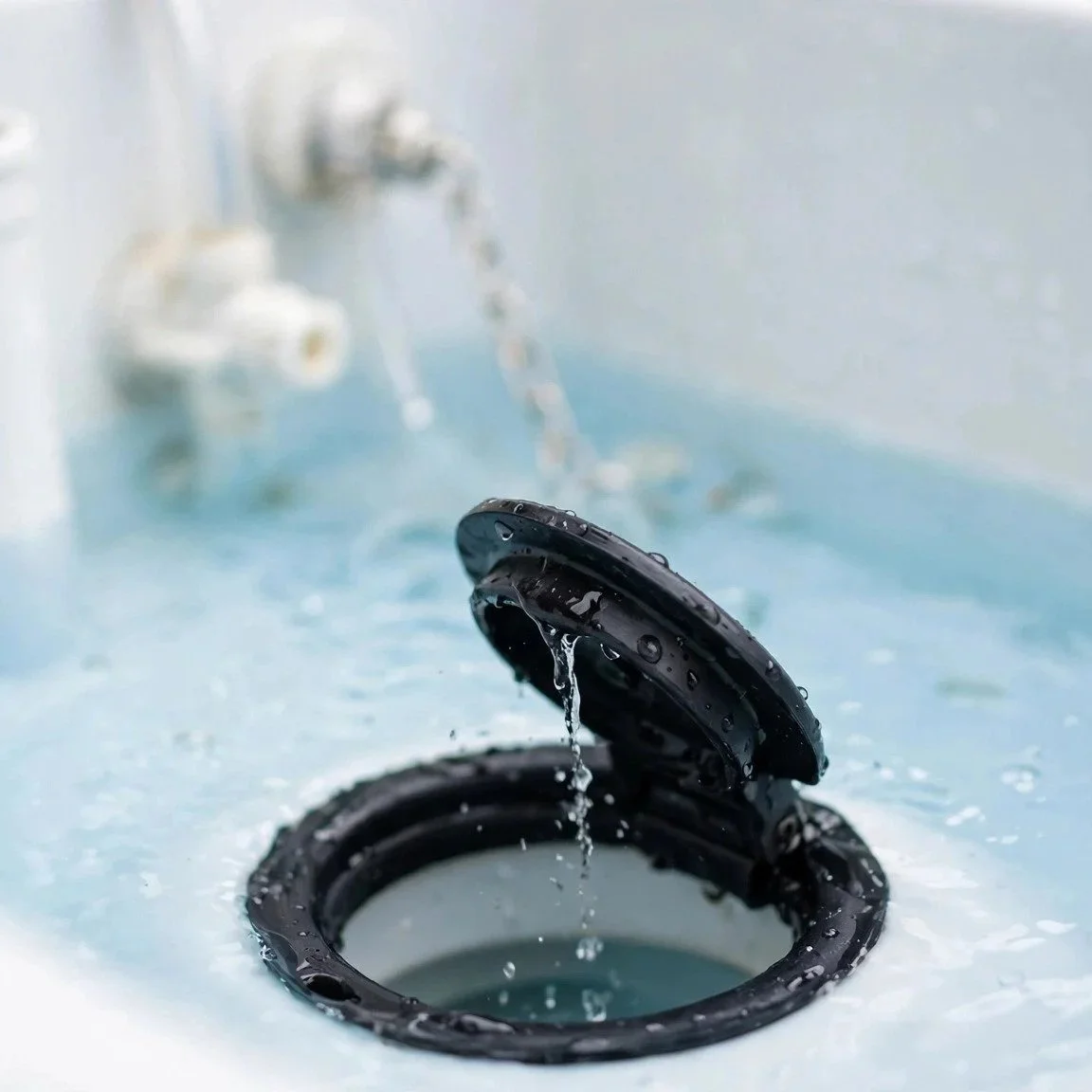
If the meter is moving, check toilets before anything else. A toilet leaks internally, so it wastes water without ever spilling a drop on the floor, which is exactly why it goes unnoticed for weeks. A single toilet with a worn flapper can quietly pass through a very large volume of water, enough to add up to thousands of gallons in a month and dominate a whole bill on its own.
The dye test: Drop a few drops of food coloring, or a dye tablet, into the tank at the back, not the bowl. Leave it for 10 to 15 minutes without flushing. Come back and look at the bowl. If color has bled down into the bowl water, the flapper at the bottom of the tank is not sealing, and treated water is trickling from the tank to the bowl to the drain around the clock.
The other tell is sound. A toilet that hisses, refills in short bursts on its own, or runs long after a flush is leaking at either the flapper or the fill valve. A flapper is a simple rubber seal; a fill valve controls how the tank refills. Both are common wear parts, and both are a reasonable homeowner repair on a standard toilet.
Other Leaks That Add Up Fast
When the toilets pass the dye test, but the meter still moves, widen the circle.
Faucets and fixtures: A steady drip looks trivial, but a faucet that drips once per second wastes a meaningful amount over a month. Check under-sink shutoffs, the base of faucets, and the connections behind the toilet and washing machine for slow weeping or mineral crust, which is a sign of long-term seepage.
Hose bibs and irrigation: Outdoor water is easy to forget because you rarely watch it. A hose bib (the outdoor spigot) can drip at the handle or leak underground at its connection. An irrigation system hides even better: a cracked lateral line or a valve stuck partly open runs water straight into the soil where you never see it. A patch of lawn that stays green and soggy while everything else dries out, or a flower bed that is wet with no rain, is worth a close look. Because outdoor leaks are seasonal, they can flare in summer when the system runs often and go quiet in winter when it's shut down, so check the timer's actual schedule rather than assuming.
Slab and underground leaks: The hardest leak to find is one buried under the concrete slab your home sits on, or in the supply line between the meter and the house. Warning signs include a warm or damp spot on the floor, the faint sound of running water inside a wall, an unexplained drop in pressure, or a foundation area that stays wet. A slab leak or an underground line break can move a lot of water and can cause real structural and moisture damage over time, so this one is not a wait-and-see. Locating and repairing it means electronic leak detection and work below the surface, which is a job for a licensed plumber rather than a weekend fix.
When the Water Heater or Softener Is the Culprit
Two appliances can push a bill up without an obvious puddle.
A water heater can develop a slow tank leak or a weeping temperature-and-pressure relief valve that drips to a drain you never check. Sediment and scale, which build quickly in hard-water areas, shorten a heater's life and can lead to leaks at fittings or the tank seam. Because a gas water heater involves both a burner and a pressurized tank, diagnosing a leak there is pro territory, not a DIY teardown.
A water softener is a quieter offender. It periodically flushes itself in a cycle called regeneration, sending water to the drain to rinse its resin bed. If the control valve sticks, the unit can get stuck regenerating and run water continuously to the drain, day after day, with no sign inside the house except the bill. A softener that seems to run its cycle far too often, or that you can hear draining at odd hours, is worth having checked.
When It Is Not a Leak at All
If the meter held perfectly still during your test, the extra water almost certainly went somewhere on purpose. Common everyday explanations:
More people, more water. House guests, a returning college student, or a new baby with constant laundry can lift usage sharply for a single billing cycle, then settle back.
Filling or topping off a pool. A pool fill uses a surprising amount of water in a short window, and evaporation in hot, dry weather means more frequent topping off, which spreads that usage across the warmer months.
A new appliance or habit. A new dishwasher, a second washing machine, a reverse-osmosis filter that rejects water while it works, or simply more frequent long showers can all show up as a higher number.
Seasonal watering swings. Yard and garden watering rises in heat and falls in cold, so a bill can climb in summer and drop in winter purely from the irrigation schedule, with no leak involved either way.
Compare the spike against what actually changed that month. If a real event lines up with the timing, you likely have your answer without any repair at all.
The bill behaves like a fuel gauge dropping while the car sits parked in the driveway. If the tank is emptying with the engine off, something is leaking; if it only drops when you drive, you are simply using more. The meter test is how you tell parked from driving.
When to Call a Plumber
Some checks are yours to make; some repairs are not. Call a professional when:
The meter keeps moving after every fixture is off and the toilets pass the dye test, which points to a hidden supply, slab, or irrigation leak.
You see signs of a slab or underground leak: warm floor spots, wet foundation areas, water heard in walls, or a sudden pressure drop.
The water heater is leaking, or the softener appears stuck in regeneration.
The jump is large and sudden, since an active leak can be actively causing damage while you diagnose it.
A homeowner can safely run the meter test, do the dye test, and eyeball fixtures and hose bibs. Beyond that, leak detection under a slab and any gas-appliance work call for the right tools and licensing.
Frequently Asked Questions
How much water can a running toilet actually waste?
Will my water utility refund a bill spike caused by a leak?
Can hard water cause my bill to climb over time?
How do I read the meter to estimate gallons used?
Does a higher bill ever come from a rate change instead of usage?
Should I shut off my main water valve if I suspect a serious leak?
Get your hidden leak found and fixed fast — stop paying for water you never used. Much Better Plumbing serves Las Vegas and Clark County. Call (702) 996-4760.