
Why Does My Toilet Keep Clogging? 7 Real Causes
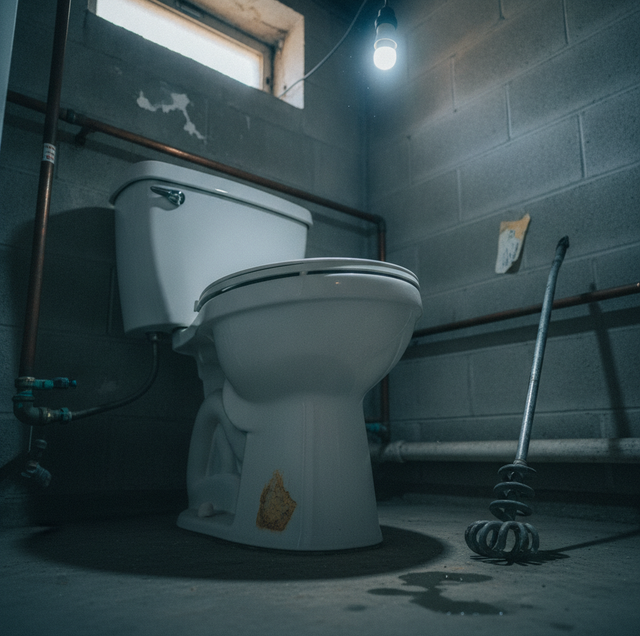
A toilet that clogs once in a while is usually a one-off: too much paper, a bad day, a quick fix with the plunger, and you move on. A toilet that clogs every week or two is a different animal. When the same bowl backs up again and again, an underlying cause is sitting in the toilet, the drain, or the vent, and no amount of plunging will make it go away until you find it.
The good news is that repeat clogs almost always trace back to a short list of specific problems. Once you know which one you are dealing with, the fix is usually clear. Below are the seven causes plumbers see most often, how to tell them apart, and where the line falls between a toilet you can sort out yourself and a drain problem that needs a camera and a professional.
How A Toilet Is Supposed To Flush
Before the causes make sense, it helps to know what a healthy flush actually does. When you press the handle, the tank dumps its water into the bowl fast. Some of that water pours in through small rinse jets under the rim, creating a swirl. The rest surges through the large hole at the bottom and pushes everything up, and over the trapway, the curved S-bend built into the base of the toilet. That trapway is the choke point. It is the narrowest part of the path, and it is where waste must be cleared in one strong push or not at all.
Every cause of a repeat clog comes down to one of two failures: the flush is not strong enough to carry waste over the trapway, or something downstream is blocking the water from leaving. Keep that split in mind as you read.
Cause 1: A Weak Flush From The Start
Some toilets do not flush hard. Early low-flow models from the 1990s, built to meet new water-use rules, cut the tank volume without redesigning the bowl to match. The result was a toilet that saved water on paper but needed two or three flushes to clear a normal load, which defeated the point. If your toilet is an early low-flow unit and has clogged for as long as you have owned the house, the design may be the cause, and a modern pressure-assisted or well-engineered gravity toilet will clog far less.
A flush can also be weak because something is partly blocking the path already. A partial clog you never fully cleared leaves a narrower opening, so the next normal load catches on it. This is why a toilet that "sort of" drains but swirls slowly is a repeat-clog waiting to happen.
Cause 2: Wipes And Non-Flushables
This is the single most common cause of recurring clogs, and it is worth being blunt about. So-called flushable wipes are the main offender. Despite the label, they do not break apart in water the way toilet paper does. They stay intact, snag on the trapway or the first rough spot in the drain, and catch everything that follows. Paper towels, feminine hygiene products, cotton swabs, and dental floss do the same. Only human waste and toilet paper should ever go down a toilet.
If you have been flushing wipes and your toilet keeps clogging, you have almost certainly found your cause. Stop flushing them, and the pattern usually breaks within days, though anything already lodged in the trapway may need to be augered out first.
Cause 3: A Partially Blocked Trapway
The trapway is where debris collects. A hard object dropped in by a child, a wad of wipes, or a buildup of mineral scale can partly block that S-bend so it never fully clears. Once the opening is narrowed, every flush after that has less room, and waste that would normally pass now catches. From the outside, the toilet looks fine, but it clogs on loads it should handle easily. A toilet auger run through the trapway usually clears whatever is lodged there.
Cause 4: Hard-Water Mineral Buildup
Many areas have very hard water, and that matters here more than most people expect. Hard water carries dissolved minerals that leave scale behind wherever water sits or flows slowly. Inside a toilet, scale builds up in two places that quietly kill flush power: the small rinse jets under the rim, and the trapway itself.
As the rim jets clog with scale, less water enters the bowl as a swirl, so the flush loses the spin that carries waste toward the drain. As the scale narrows the trapway, the opening shrinks year over year. Neither shows up as a dramatic failure. Instead, the flush just gets weaker over time until loads that used to clear now hang up. Clearing the scale from the jets and trapway restores the flush, and in hard-water areas, it is worth doing periodically before clogs start.
Cause 5: A Blocked Vent
Every drain system needs air. Your plumbing has a vent stack, a pipe that runs up through the roof and lets air into the drain lines so water can flow freely. When that vent gets blocked by a bird nest, leaves, or debris, the draining water cannot pull the air it needs, so it drags air back through the toilet trap instead. That is what causes the gurgle you sometimes hear, and it also weakens the flush enough to let clogs form even when the bowl and trapway are clear. A slow, gurgling, weak flush with no visible blockage points at the vent.
Cause 6: A Problem In The Drain Line Or Main Sewer
Here is where a toilet problem becomes a house problem. If the blockage is not in the toilet but further down, in the branch drain or the main sewer line, the toilet is only the first fixture to show it because it moves the most solid waste. Tree roots working into an old pipe joint, a section of line that has sagged and holds waste, or grease and buildup narrowing the pipe, will all cause recurring backups, and they will not stay confined to one toilet.
The tell is other fixtures. If flushing the toilet makes a nearby sink gurgle or a tub back up, or if more than one drain in the house is slow, the problem is in the shared line, not the toilet. That is not a job for a plunger or a store-bought auger. It calls for a drain camera to find the exact spot and cause, and often a professional cabling or hydro-jetting to clear it.
Cause 7: A Low Water Level In The Tank
A flush is only as strong as the water behind it. If the tank is not filling to its proper level, each flush releases less water and less force, and a load that needs a full push does not get one. The cause is usually the fill valve or the float set too low, or a fill valve that shuts off early. Look inside the tank for the marked water line, often stamped on the overflow tube or the tank wall. If the water sits well below it, adjusting the float to bring the level up to the mark restores a full flush. It is one of the simplest fixes on this list and one of the most overlooked.
Sorting It Out: Toilet Or Drain Line
The diagnosis really comes down to one question with two branches: is the problem in this toilet, or in the pipes past it?
Work through it like this. Does more than one fixture act up? If sinks gurgle or tubs back up when you flush, or several drains run slowly, stop diagnosing the toilet. The problem is in the shared drain or the main line and requires a camera inspection. If only this one toilet clogs and everything else in the house drains fine, the cause is inside the toilet: the trapway, the jets, or the flush.
Then narrow it down. Does it gurgle? Look at the vent. Is the flush weak with no full blockage? Check the tank water level, then the rim jets and trapway for scale. Have you been flushing wipes? Stop, and auger out whatever is already caught. That short sequence covers nearly every single-toilet repeat clog.
Fixes That Actually Hold
Once you know the cause, the fixes are direct. Stop flushing wipes and non-flushables, full stop, since this alone ends a large share of repeat clogs. Clear mineral scale from the rim jets and trapway if you are on hard water. Check and adjust the tank water level to the marked line. To clear a stubborn trapway, use a toilet auger, also called a closet auger, which is shaped to snake the S-bend without scratching the porcelain. If more than one fixture backs up, have the line camera-inspected rather than guessing.
One thing to avoid: do not pour a harsh chemical drain opener into a toilet. Those products are made for sink and tub drains and cause more harm than good in a toilet. They sit in the trap where the water pools, can crack the porcelain or damage the wax seal and internal parts, and frequently never reach the blockage anyway. A toilet auger does the job safely.