Hot Water Running Out Fast? What's Going On in the Tank
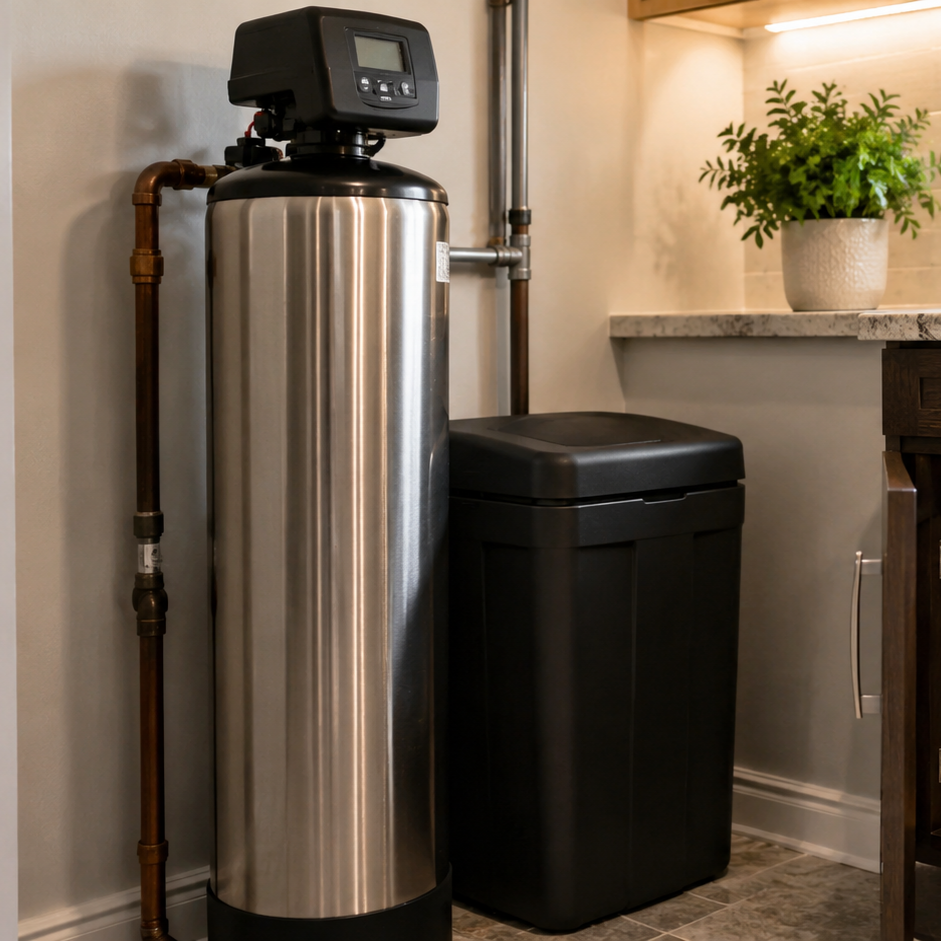
QUICK ANSWER: A whole-house water softener and an under-sink filter solve different problems, so the right choice depends on what you want to fix. A water softener treats hard water for the entire home, removing the minerals that cause scale buildup, spotty dishes, dry skin, and wear on plumbing and appliances — it's about water quality everywhere. An under-sink filter treats water at a single tap, usually the kitchen, improving the taste and quality of drinking and cooking water by reducing certain contaminants. So a softener addresses hard-water problems throughout the house, while an under-sink filter improves drinking water at one location. Many homes with hard water actually benefit from both, since they do different jobs.

When people look to improve their home's water, two common options come up: a whole-house water softener and an under-sink filter. They're often discussed as if you have to choose one, but they actually do different things and solve different problems. Understanding what each one addresses helps you pick the right solution — or recognize that you may want both.

They Solve Different Problems

The key to this decision is that a softener and a filter aren't really competing options — they target different issues. A whole-house water softener addresses hard water, treating all the water entering your home to remove the minerals that cause hard-water problems. An under-sink filter addresses drinking water quality at one tap, improving the taste and reducing certain contaminants in the water you drink and cook with. So the question isn't simply which is better, but which problem you're trying to solve: hard water throughout the house, or better drinking water at the kitchen sink. That framing makes the choice much clearer.

What a Whole-House Softener Does

A whole-house water softener treats the water for your entire home, removing the dissolved minerals (mainly calcium and magnesium) that make water "hard." Hard water causes a range of familiar problems: scale buildup on fixtures, in pipes, and inside appliances and water heaters; spotty, filmy dishes and glassware; dry skin and hair; soap that doesn't lather well; and accelerated wear on plumbing and water-using appliances. By softening all the water, a softener addresses these issues throughout the house, protecting your plumbing and appliances and improving how the water feels and performs everywhere. In a hard-water area, a softener tackles the root cause of these widespread problems.

What an Under-Sink Filter Does

An under-sink filter treats water at a single point — typically the kitchen sink — to improve the quality of your drinking and cooking water. It reduces certain contaminants and improves the taste and clarity of the water at that tap. It's focused on the water you actually drink and cook with, giving you better-tasting, cleaner water right where you use it most. An under-sink filter doesn't address hard water throughout the house or protect your plumbing and appliances — its job is the quality of drinking water at one spot. So if your main concern is the taste and quality of your drinking water, an under-sink filter targets exactly that.

Which Does Your Home Need?

The right choice comes down to your priority. If you're dealing with hard-water problems — scale buildup, spotty dishes, dry skin, soap that won't lather, wear on appliances — a whole-house softener is what addresses those, because it treats all the water and tackles the hard-water root cause throughout the home. If your main concern is the taste and quality of your drinking water at the kitchen tap, an under-sink filter targets that specifically. And importantly, these aren't mutually exclusive: many homes, especially in hard-water areas, benefit from both — a softener to handle hard water throughout the house and an under-sink filter for better drinking water at the kitchen sink. Since they do different jobs, having both covers both needs.

TIP: Identify your symptom first. Scale on fixtures, spotty dishes, and dry skin point to hard water — a softener's territory. Concerns about how your drinking water tastes point to an under-sink filter. If you have both kinds of concern, that's a sign both solutions, working together, would serve your home best.

Why Matching the Solution Matters

Choosing the right solution matters because each addresses what the other doesn't. An under-sink filter won't solve hard-water scale, spotty dishes, or appliance wear, because it only treats one tap — so if hard water is your problem, a filter alone leaves it unaddressed throughout the house. Likewise, a softener treats hard water everywhere but is focused on softening rather than producing the drinking-water taste that an under-sink filter targets. Matching the solution to your actual problem avoids spending on something that doesn't address your real concern. A water professional can assess your water and your goals — testing for hardness and discussing your drinking-water preferences — and recommend a softener, a filter, or both to fit your home's needs.

Frequently Asked Questions

What's the difference between a water softener and an under-sink filter?
A whole-house water softener treats all the water in your home, removing the minerals that cause hard-water problems like scale, spotty dishes, and dry skin. An under-sink filter treats water at a single tap, usually the kitchen, improving the taste and quality of your drinking and cooking water. They solve different problems — hard water throughout the house versus better drinking water at one location.
Do I need a softener or a filter?
It depends on your problem. If you have hard-water issues — scale buildup, spotty dishes, dry skin, appliance wear — a whole-house softener addresses those by treating all your water. If your concern is the taste and quality of your drinking water, an under-sink filter targets that at the kitchen tap. Identifying which problem you're trying to solve points you to the right solution.
Can a softener improve the taste of my drinking water?
A softener's job is to remove hardness minerals throughout the home, which addresses scale and related problems rather than specifically producing the drinking-water taste that an under-sink filter targets. If better-tasting drinking water is your goal, an under-sink filter is designed for that. Many homes use a softener for hard water and an under-sink filter for drinking water, since the two do different jobs.
Will an under-sink filter fix hard water?
No. An under-sink filter only treats water at one tap and is focused on drinking-water quality, so it won't solve hard-water problems like scale buildup, spotty dishes, or appliance wear throughout the house. Those require a whole-house softener that treats all the water. If hard water is your issue, a filter alone leaves it unaddressed everywhere except possibly that one tap.
Can I have both a softener and a filter?
Yes, and many homes do, especially in hard-water areas. Because they solve different problems, a whole-house softener and an under-sink filter complement each other — the softener handles hard water throughout the home while the filter improves drinking water at the kitchen sink. Having both covers both needs, which is why they're often used together rather than as either-or choices.
How do I know if I have hard water?
Common signs of hard water include scale buildup on faucets and fixtures, spotty or filmy dishes and glassware, dry skin and hair, soap that doesn't lather well, and scale inside appliances and water heaters. A water test confirms the hardness level. If you notice these signs, hard water is likely, and a whole-house softener is the solution that addresses it throughout the home.

Match the Solution to the Problem

A whole-house water softener and an under-sink filter aren't competing choices — they solve different problems. A softener treats hard water throughout the home, tackling scale, spotty dishes, dry skin, and appliance wear, while an under-sink filter improves drinking water taste and quality at one tap. Identify whether your concern is hard water everywhere or better drinking water at the sink, and the right choice — or the case for both — becomes clear.

Want to fix hard water or improve your drinking water — Get your water assessed and the right softener, filter, or both recommended. Much Better Plumbing serves Las Vegas and Clark County. Call (702) 613-8452.
Solution Treats Solves
Whole-house softener All water in the home Hard-water scale, spots, dry skin, appliance wear
Under-sink filter One tap (usually kitchen) Drinking water taste and certain contaminants