Whole-House Softener vs Under-Sink Filter: Which to Get?
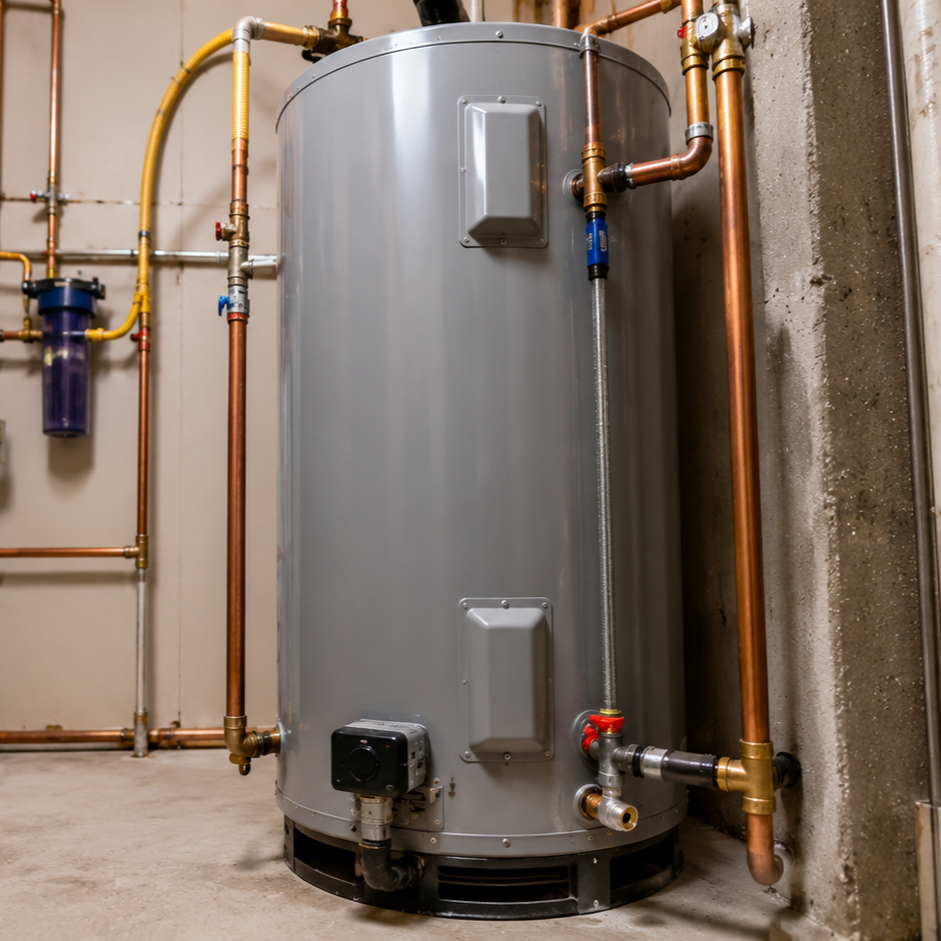
QUICK ANSWER: When hot water runs out faster than it used to, the cause is usually inside the tank or a mismatch between supply and demand. The common culprits are sediment buildup that shrinks the tank's usable capacity and slows reheating, a broken dip tube that lets cold water mix with the hot at the top, a failed lower heating element on an electric unit, a struggling gas burner, or a thermostat set too low. Sometimes the tank is simply undersized for the household. The fix depends on which it is, so the goal is to diagnose the real cause rather than assume the heater needs replacing

Stepping into a shower that goes cold before you're done is a clear sign your water heater isn't keeping up. If it used to deliver plenty of hot water and now comes up short, something has changed — and most of the causes can be pinned down and fixed. Here's what's usually going on inside the tank.

How the Tank Is Supposed to Work

A tank water heater stores a set amount of hot water and keeps it ready to go. Cold water comes in through a dip tube that carries it to the bottom, where a burner or heating element warms it. The hot water rises to the top, where the outlet draws it off to your fixtures, and fresh cold water flows in to take its place. The whole thing runs smoothly until one of those parts stops doing its job — and when the hot water runs out early, that's almost always what's happened.

Sediment: The Capacity Thief

The most common cause, especially in hard-water areas like the valley, is sediment. Minerals settle to the bottom of the tank and harden into scale over time. That layer takes up room that used to hold hot water, so the tank effectively holds less than its rating says. On a gas heater, sediment also builds up between the burner and the water, slowing how quickly the tank reheats. Less hot water plus slower recovery means you run short sooner and wait longer for more. A rumbling or popping sound while the tank heats is a classic sign that sediment has built up.

A Broken Dip Tube

The dip tube's job is to send incoming cold water to the bottom of the tank so it heats before rising. If the tube cracks or breaks near the top, cold water pours into the upper part of the tank and blends with the hot water that's about to leave. The result is hot water that turns lukewarm fast, even though the heater seems to be working fine. A failing dip tube is a frequent reason for a sudden drop in usable hot water.

A Failed Element or Weak Burner

On an electric water heater, two elements do the work, and the lower one heats most of the tank. Burn it out and only the upper element runs, warming just the top portion — so you get a brief run of hot water that goes cold fast. It's one of the most common electric-heater complaints. On a gas unit, a dirty or struggling burner, or a failing thermocouple, can keep the heater from reheating fast enough, leaving you short during back-to-back use.

Thermostat or Simple Sizing

Sometimes nothing's broken at all. A thermostat set too low means the water isn't as hot to start with, so it feels like it runs out sooner. And a tank that was plenty for a smaller household can come up short once the household grows or adds a soaking tub or high-flow showerhead. The hot water didn't shrink — the demand grew past it. If the heater has always run short, sizing is the likely issue; if it used to be fine and now runs out, suspect sediment or a worn part.

TIP: Pay attention to the timing. If the first shower of the day runs short, the cause is usually inside the tank — sediment, a dip tube, or an element. If hot water only runs out during heavy back-to-back use, the issue is more likely recovery speed or the tank simply being too small for the demand.

Why It's Worth Diagnosing Properly

A heater that runs short is usually under some stress, and the right fix hinges entirely on the cause. Flushing handles sediment but does nothing for a broken dip tube; a new element fixes an electric heater but not an undersized one. Guess wrong, and you've spent money without solving the problem. A proper diagnosis — checking the elements, the dip tube, the sediment level, and your household's real demand — separates a simple repair or flush from a tank that's reached the end of the road. Catching sediment early also spares the tank from overheating and stress that lead to early failure. If your heater is well past its expected lifespan, runs short, and rumbles with sediment, a properly sized replacement may make more sense than chasing repairs.

Frequently Asked Questions

Why does my hot water run out faster than it used to?
Usually because something inside the tank has changed. Sediment buildup reduces the tank's usable capacity and slows reheating; a broken dip tube lets cold water mix in at the top, or a failed heating element heats only part of the tank. Any of these cuts the amount of usable hot water you get from a draw.
Will flushing the water heater fix it?
If sediment is the cause, flushing can help by clearing the mineral layer that's stealing capacity and slowing recovery. It works best as regular maintenance before the buildup hardens. On a tank that's gone years without a flush, the sediment may be too compacted to clear fully, and the heater may already be worn enough that replacement is the better option.
How do I know if my dip tube is broken?
The telltale sign is a sudden drop in the amount of hot water you get, even though the heater seems to run normally, because cold water is mixing in at the top and cooling it quickly. Confirming it generally means inspecting the tube, which a plumber can do during a service visit. A broken dip tube is a common, repairable cause.
Could my water heater just be too small?
It's possible, especially if it has always run short rather than declining over time. If the household has grown or added fixtures that use a lot of hot water, demand may simply exceed the tank's capacity. In that case, the fix is more capacity — a larger tank or a properly sized tankless unit — rather than a repair.
Why does it run short only during back-to-back showers?
Because concentrated demand draws the tank down faster than it can recover. If several showers and maybe an appliance run in a short window, even a healthy tank can empty if it's near the limit of its capacity or recovery speed. This points more to sizing or recovery than to a broken part, especially if the first use of the day is fine.
Should I repair or replace a heater that runs out fast?
It depends on age and cause. A newer heater with a bad element or dip tube is worth repairing. But an older tank past its expected lifespan that's full of sediment and running short is often better replaced, since repairs only delay the inevitable. The age and condition of the tank, along with the cause, determine the better choice.

Get Your Full Tank Back

Hot water that runs out fast is your heater signaling a change — sediment shrinking its capacity, a broken dip tube, a failed element, or demand outgrowing the tank. The timing of when it runs short helps point to the cause. Matching the fix to the real problem, rather than assuming the worst, is what restores full showers without spending on a solution you didn't need.

Hot water running out before you're done? — Get the tank checked for sediment, a bad dip tube, or a failed element, or resized for your household. Much Better Plumbing serves Las Vegas and Clark County. Call (702) 613-8452.
Symptom Likely cause Direction
Rumbling tank, slow recovery Sediment buildup Flush, or replace if severe
Sudden drop in hot water Broken dip tube Replace dip tube
Short burst then cold (electric) Failed lower element Replace element
Slow, weak heat (gas) Dirty or failing burner Burner service
Never very hot Thermostat too low Adjust and test
Always ran short Undersized for demand More capacity