
What Floor Stains and Warm Spots Reveal About Plumbing Damage
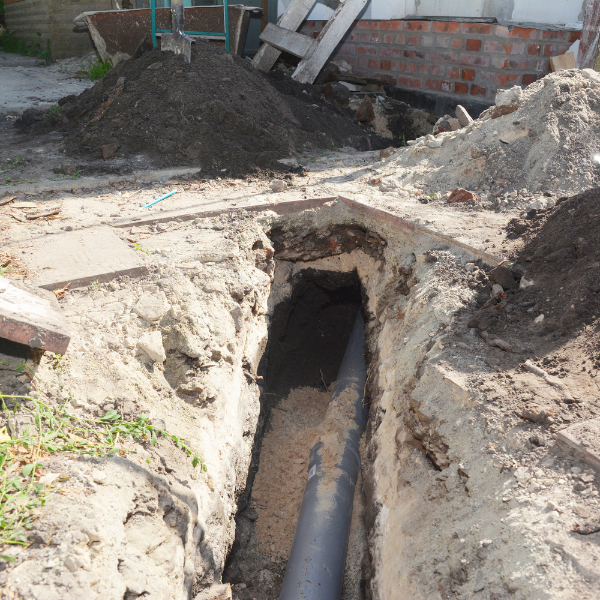
Beneath the tile, hardwood, or laminate, plumbing damage may be quietly working its way through the structure.
Homes tend to whisper before they shout. A quiet drip, a tiny crack, or a subtle stain often carries more weight than expected. When those signs appear on the floor—particularly in the form of stains or unexplained warm spots—they may point to something much more significant than a surface issue. Beneath the tile, hardwood, or laminate, plumbing damage may be quietly working its way through the structure.
Slab leaks like to stay hidden. They don’t barge in with dramatic floods. They creep along, slowly releasing water into areas designed to stay dry. By the time discoloration appears or the floor feels oddly heated, the leak has likely had plenty of time to do some damage.
Stains That Speak Volumes
A discolored patch on the floor rarely arrives with a formal announcement. It might start small—maybe just a faint outline that looks like a spill dried imperfectly. Over time, though, the spot tends to darken, grow, or spread unevenly. That’s water working its way up from below, seeping through subfloor layers and reacting with wood, grout, or adhesives.
In many cases, the stain results from a slab leak underneath the foundation. Water from a compromised pipe slowly saturates the area, pushing upward and disrupting finishes on the surface. The discoloration is often irregular and may appear even if no plumbing fixtures are nearby. That’s the nature of water—it follows the path of least resistance, not necessarily the shortest one.
Unwelcome Warmth Beneath the Feet
Stepping onto a warm floor sounds appealing in winter, but when there’s no heated flooring installed, it signals trouble. Warm spots often reveal the presence of a hot water line leaking beneath the slab. As the hot water escapes, it heats the surrounding concrete and eventually the flooring above.
The sensation is usually subtle at first—just enough to raise an eyebrow. Over time, though, the area may become noticeably warmer, especially in contrast to surrounding sections. That temperature difference rarely fades on its own. It continues to radiate warmth, fueled by a steady flow of leaking water.
The Damage Below the Surface
Moisture from a slab leak does more than stain or warm a floor. It disrupts the entire balance of materials in the area. Wood flooring begins to cup or warp. Tile grout cracks and becomes loose. Laminate bubbles. The carpet feels damp or develops a musty smell. Adhesives weaken, subfloor layers swell, and over time, the damage spreads beyond repair.
Even more concerning is the potential for mold. Once water collects beneath flooring and insulation, it creates the perfect environment for spores to thrive. The result isn’t just structural, it's environmental. Indoor air quality declines. Allergy symptoms rise. A plumbing issue below the surface can slowly work its way into every room through circulation and humidity.
Movement in the Foundation
When water leaks below the slab, the soil underneath begins to shift. The added moisture softens the ground, destabilizing the support the slab relies on. That movement causes stress in the concrete, leading to cracks, uneven settling, or heaving.
Those structural shifts eventually reflect above. Door frames twist out of square. Floors develop slopes or humps. Cracks appear along the base of the walls. The longer the leak persists, the more the foundation changes shape—subtly at first, but dramatically over time.
Unexplained Water Usage and Rising Bills
One of the earliest hints of plumbing damage often comes through the mailbox or email inbox in the form of a higher water bill. When water leaks from a hidden pipe, it still passes through the meter. The increase might not raise eyebrows immediately, but over a few billing cycles, the numbers begin to tell a story.
In homes with hot water, slab leaks, and energy bills also climb. Water heaters work overtime to replenish lost hot water, running more frequently and for longer periods. That increased load shortens the lifespan of the unit and adds an extra layer of expense to an already hidden problem.
Why It Happens More Than People Think
Slab leaks are not rare events confined to older homes. While age contributes to wear, many factors can trigger leaks beneath the foundation. Poor installation during original construction, shifting soil, corrosion from minerals in the water supply, or even ground movement due to seasonal moisture changes can all lead to pipe failure.
Copper pipes are especially prone to developing pinhole leaks from years of water pressure, acidity, or abrasion against the surrounding material. Once a pipe begins to leak under concrete, detection becomes more difficult, and that delay in repair gives damage a head start.
The Role of Professional Detection
Locating the exact source of a slab leak requires more than guesswork. Professional slab leak detection tools, including acoustic sensors, pressure testing, and thermal imaging, take the mystery out of what’s happening beneath the surface. Rather than tearing up floors to search blindly, modern detection zeroes in on the issue with precision.
Once identified, repair strategies can vary. Some involve opening a small section of the floor to access and fix the leak. In other cases, especially with multiple or aging leaks, rerouting the plumbing above the slab may provide a longer-term solution. Either way, targeted intervention reduces disruption and resolves the problem at the source.
Flooring Replacement Without Repeat Damage
One of the most frustrating outcomes of an undiagnosed slab leak is the cycle of repeated floor damage. Homeowners often replace flooring, thinking it was ruined by a simple spill or condensation issue, only to see the same symptoms return within weeks or months.
Repairing a slab leak halts that cycle. Once the water flow is stopped, the area can fully dry, and flooring can be replaced with confidence. Skipping this step may save time temporarily, but it invites the same problem back into the space almost immediately.
An Investment in Stability
Repairing slab leaks and addressing their signs isn’t just about cosmetic improvement. It’s an investment in the home’s structure, safety, and longevity. Every floorboard laid, every tile set, and every hour spent remodeling sits on top of what the plumbing system allows. When that system fails quietly, the ripple effect can become loud, costly, and wide-reaching.
The signs are subtle—warm toes in summer or a darkened plank that doesn’t quite dry. But when stains and heat appear without a clear cause, they carry a message worth hearing. Plumbing damage beneath the floor doesn’t announce itself with fanfare. It arrives quietly and, with enough time, leaves a big impression.
With proper slab leak detection and repair, those signs no longer need to be warnings. They become turning points—signals that led to a stronger, safer, drier home. Under every quiet stain or curious warm spot lies the opportunity to protect what matters most from the ground up.
Much Better Plumbing offers one-stop solutions for all your residential plumbing needs. As a local, family-owned business, we value the Las Vegas community and offer slab leak detection and repair, water heater repair or replacement, water filtration, and water softeners services at reasonable rates. 24-hour emergency services available. Call us today to request a quote or schedule a service.