
The Small Shower Valve Issues That Create Big Water Problems March
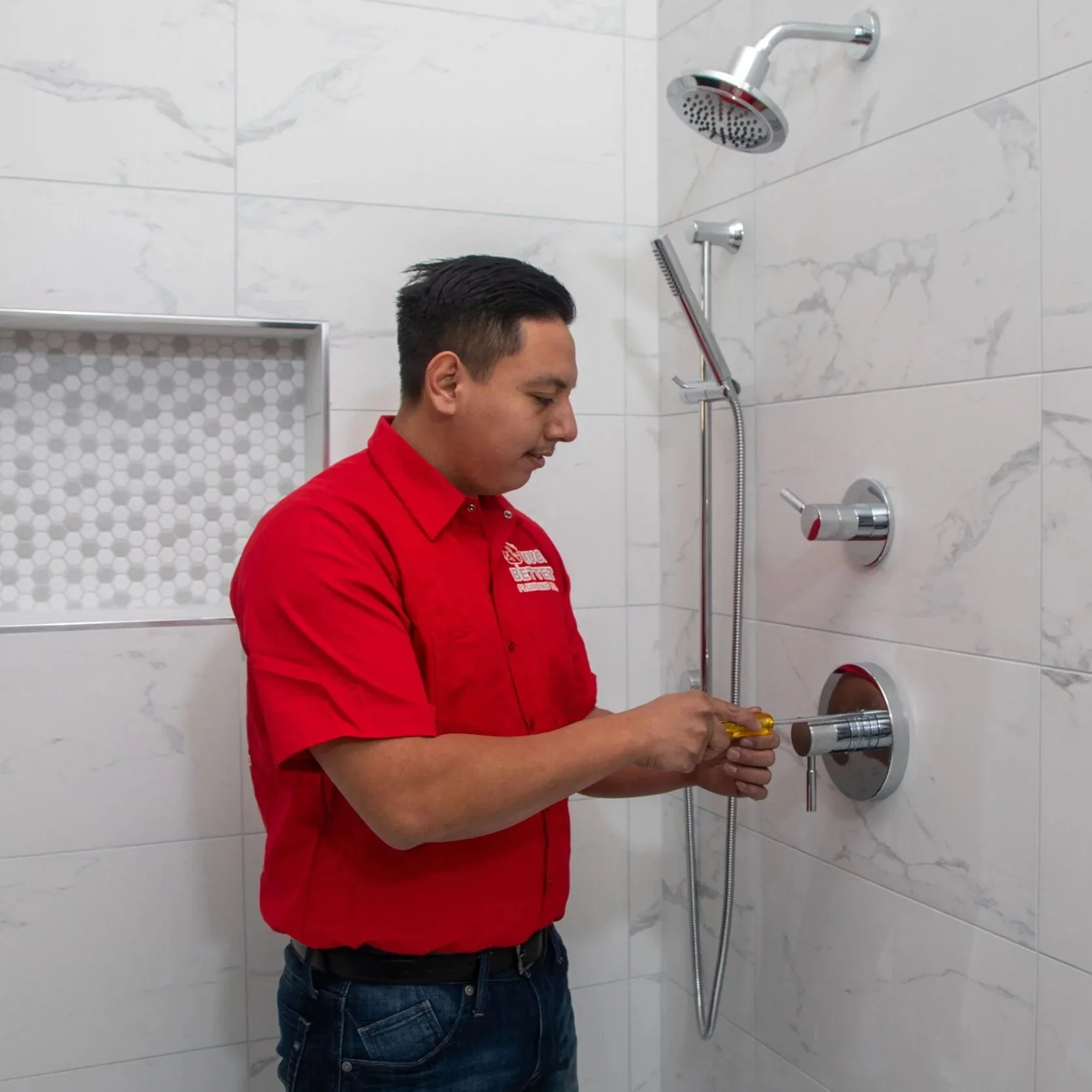
While often overlooked, shower valves are the heart of your shower's water-control system, and even minor issues with them can lead to bigger, more expensive problems.
When it comes to plumbing, some issues can seem small at first but can cause significant water problems down the line. One of the most common culprits of these seemingly minor problems is the shower valve. While often overlooked, shower valves are the heart of your shower's water-control system, and even minor issues with them can lead to bigger, more expensive problems. Understanding how these valves work and how to identify early signs of trouble can help you avoid costly repairs and inconvenient water issues.
Understanding the Role of Shower Valves
Shower valves regulate water flow and temperature, making them essential to the comfort of your daily shower. They control the mixing of hot and cold water, so you can enjoy a steady, comfortable temperature while you bathe. The valve is usually hidden behind the wall, but the trim—the handle and plate—are what you interact with. While the trim may be visible, the valve itself is typically tucked out of sight, making it easy to forget about it until something goes wrong.
Small issues with the valve or trim can lead to uneven water temperature, leaks, or even more serious damage that requires significant repairs. As with most plumbing components, the key to preventing big water problems lies in noticing the small signs of wear before they develop into something more costly.
Leaky or Dripping Valves
A small drip from the shower faucet may seem like nothing more than an annoyance at first, but it can quickly add up. Drips often signal a worn-out valve or a problem with the valve's seals. When the valve doesn't close fully, water continues to leak, resulting in wasted water and higher utility bills. Over time, this constant flow can lead to water damage in the surrounding area, especially if the leak isn't noticed for an extended period.
In addition to wasting water, a leaking valve can damage your shower fixtures and even the wall around it. The moisture from the constant drip can promote mold growth, leading to complications beyond the valve itself. If you notice a persistent drip, even after turning off the water, it's time to investigate the valve for damage or wear.
Water Temperature Fluctuations
Shower valves are designed to mix hot and cold water to maintain a consistent temperature. However, problems with the valve can lead to sudden fluctuations in water temperature. This may result in hot water scalding you unexpectedly or cold water giving you an unwelcome shock mid-shower. These temperature changes can be frustrating and even dangerous, especially when severe.
Temperature fluctuations can occur for several reasons, such as a worn-out valve cartridge, mineral deposits, or a faulty pressure-balancing valve. A pressure-balancing valve maintains consistent pressure and temperature between the hot and cold water. If it malfunctions, you'll notice the water temperature swinging unexpectedly. While some of these issues can be resolved by cleaning or replacing parts, it's crucial to address them promptly to avoid potential damage to your shower system or even scalding accidents.
Low Water Pressure
Low water pressure can also indicate a problem with the shower valve. If the water flow has slowed significantly or seems weaker than usual, the valve may be partially clogged or have an internal blockage. Mineral deposits, especially in hard-water areas, can accumulate inside the valve, reducing its efficiency. Over time, this buildup can completely clog the valve, making it nearly impossible for water to flow properly through the showerhead.
Low water pressure can make showering unpleasant, but it can also signal more serious plumbing issues. If left untreated, a clogged shower valve can lead to more extensive damage to your plumbing system, which may require a full valve replacement or repairs to surrounding pipes. Regular maintenance and cleaning of your shower valve can help prevent clogs and maintain optimal water pressure.
Leaks Behind the Wall
When water starts leaking behind the wall where the shower valve is located, it can create a host of problems. These leaks may not be visible immediately, but over time, they can cause significant damage to the surrounding drywall, insulation, and even the structural integrity of the wall itself. Water leaks behind the wall can lead to mold growth, mildew, and rotting materials.
Leaky valves are often the cause of these hidden water problems. The seals or gaskets around the valve can deteriorate over time, allowing water to seep through and into the wall. Unfortunately, because these leaks occur behind the wall, they may not be noticed until the damage is significant. In some cases, you may notice water stains or dampness around the base of the wall or on the ceiling below the shower. If you suspect a leak behind the wall, it's crucial to have a professional inspect and repair the valve to prevent further damage.
Faulty Trim and Handle Issues
Although the valve itself is hidden behind the wall, the trim—the visible handle and cover—can give you important clues about its condition. If the handle becomes loose, difficult to turn, or doesn't control water flow effectively, it may indicate that the valve is beginning to wear out. A broken or malfunctioning trim can make it harder to adjust the water temperature and flow, making your shower experience less than ideal.
In some cases, a worn-out trim can be replaced easily. However, if the issue is related to the valve itself, more extensive repairs may be necessary. A qualified plumber can determine whether the issue lies with the trim, the valve, or both.
Delayed Water Flow
When you turn on the shower, the water should flow immediately and at a consistent pressure. If there's a delay in water flow, or if it takes longer than usual for the water to reach your desired temperature, the valve could be malfunctioning. Delays in water flow may occur due to mineral buildup or internal wear within the valve, leading to reduced efficiency.
Delaying repairs or ignoring this problem can lead to a gradual decrease in water flow. If not addressed, it may become more difficult to get the water flowing at all. Regular cleaning and maintenance can help avoid these delays and maintain smooth water flow.
Preventing Shower Valve Problems
Shower valves play a crucial role in providing a comfortable shower experience, so it's important to keep an eye out for any signs of trouble. Regular maintenance, such as cleaning the valve and checking for leaks or temperature fluctuations, can go a long way toward preventing major issues down the road. If you notice any of the small signs mentioned above, it's best to address them promptly to avoid more costly, time-consuming repairs.
Routine inspections, especially in homes with hard water, can help prevent mineral buildup that may compromise the valve's functionality. If you notice persistent issues with your shower, don't wait for them to escalate—consulting a professional plumber will save you from major headaches later.
By addressing small issues early, you can keep your shower valve functioning properly for years to come, saving you time and money while keeping your water system running smoothly.
Much Better Plumbing is a leading residential plumbing service provider in the Las Vegas Area. Whether you need shower valves and trim, garbage disposals, gas line, sewer cleaning and repair, or pressure regulators services, our licensed, bonded, and insured plumbers are available round the clock to serve you. Contact us today.