
Why Hard Water Leads to Fixture and Pipe Wear
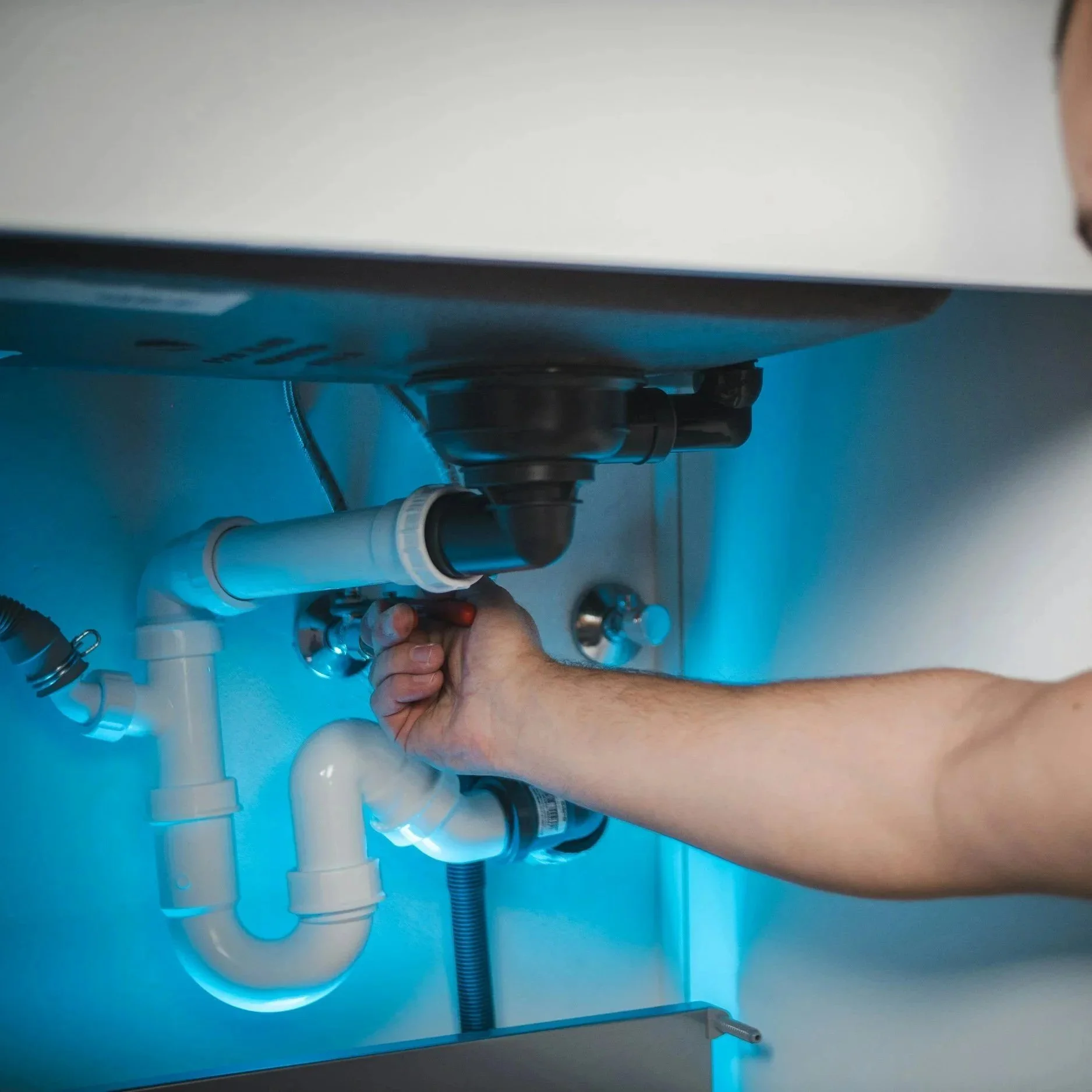
Understanding the effects of hard water on your home's plumbing system is the first step toward preserving its functionality.
Hard water is a common issue in many homes, often unnoticed until the damage begins to show. It's easy to take our water supply for granted, but the quality of the water flowing through your pipes can significantly impact the longevity of your plumbing fixtures and pipes. Hard water contains a high concentration of minerals, especially calcium and magnesium, which can wreak havoc on your plumbing system if left unchecked. Over time, these minerals can build up, causing wear on your fixtures and pipes and leaving homeowners facing costly repairs and replacements.
Understanding the effects of hard water on your home's plumbing system is the first step toward preserving its functionality. One of the most effective ways to combat hard-water damage is to install a water softener. These systems can significantly improve your home's water quality, reducing the wear on your plumbing and fixtures.
The Accumulation of Mineral Deposits
Hard water's primary issue is the abundance of naturally occurring minerals, such as calcium and magnesium, in groundwater. When this water is heated or evaporates, these minerals solidify and deposit as scale. Over time, this mineral buildup accumulates in your pipes, faucets, showerheads, and other fixtures, creating a layer of limescale. The more often you use hard water, the more limescale builds up, leading to several potential problems in your plumbing system.
In pipes, mineral deposits can gradually narrow the flow space, reducing water pressure. Over time, this reduced flow can strain the system and lead to clogs. As deposits accumulate in showerheads and faucets, they can reduce water flow, leading to inconsistent water pressure and potential fixture malfunctions. While the mineral buildup may seem like a minor nuisance at first, it can cause major issues if left untreated.
Decreased Efficiency of Appliances
The wear caused by hard water doesn't just affect pipes and faucets—it can also take a toll on appliances that use water. Dishwashers, washing machines, and water heaters are all prone to mineral buildup from hard water. In dishwashers and washing machines, mineral deposits can clog filters and heating elements, reducing efficiency. Clothes may not come out as clean, and your dishes may have water spots from minerals left behind on the surface.
Water heaters are especially vulnerable to hard water. Over time, limescale can accumulate on the heating elements or within the tank, creating an insulating barrier that prevents the appliance from working efficiently. This can generate increased energy consumption as the heater works harder to meet the desired temperature. In the worst-case scenario, the buildup could cause expensive repairs or even a complete replacement of the appliance.
Increased Maintenance Costs
The cost of replacing or repairing plumbing fixtures, appliances, and pipes damaged by hard water can quickly add up. Replacing faucets, showerheads, or even water heaters is a major expense, and the more severe the hard-water damage, the higher the costs will be. By installing a water softener, homeowners can reduce maintenance requirements and avoid costly repairs.
In addition to preventing damage to plumbing fixtures, a water softener helps to keep appliances in optimal condition. By preventing limescale buildup, you'll prolong the life of your appliances, reducing the frequency of repairs and replacements. It's a simple yet effective way to save money in the long run while protecting your home's plumbing system.
Clogged Pipes and Low Water Pressure
Hard water's impact on your plumbing system is not just limited to external fixtures; it also affects the internal pipes that deliver water to various parts of your home. As mineral deposits accumulate inside pipes, they form blockages that restrict water flow. Over time, this can cause clogged pipes, causing backups or slow drainage. The reduced water flow due to these blockages also causes low water pressure, making it challenging to take showers, wash dishes, or do laundry.
Low water pressure can be frustrating, especially when you're trying to complete everyday tasks. It's a sign that the pipes in your home are suffering from the long-term effects of hard water, and continued neglect can lead to even more serious plumbing issues. If you've noticed a drop in water pressure, mineral buildup in your pipes is most likely the culprit.
Pipe Corrosion and Leaks
As hard water accumulates in your pipes, it can also contribute to pipe corrosion. The minerals in hard water can react with the metal in your plumbing, causing it to corrode over time. Corrosion weakens pipes, increasing their susceptibility to leaks and cracks. This can cause significant water damage if left unchecked, requiring extensive repairs.
Leaky pipes can force water to pool in unwanted areas, creating the perfect environment for mold and mildew to thrive. Damage from leaks can compromise your home's structural integrity, leading to even higher repair costs. Installing a water softener can help prevent hard-water damage, preserve the condition of your pipes, and prevent costly repairs down the road.
The Role of Water Softeners
One of the most effective ways to combat hard water damage is to install a water softener. A water softener is an appliance that removes calcium, magnesium, and other minerals from the water supply, leaving you with soft water free of the minerals that cause limescale buildup. By installing a water softener, you can guard your plumbing system, appliances, and fixtures from the harmful effects of hard water.
A water softener works by using a process called ion exchange, in which calcium and magnesium ions in the water are exchanged for sodium ions. The result is water that is much gentler on your plumbing system and appliances. Not only will soft water prevent scale buildup, but it will also make cleaning easier, as it doesn't leave behind mineral stains or soap scum. Over time, a water softener pays for itself through reduced maintenance and extended lifespans of your fixtures and appliances.
An Easy Solution to a Big Problem
While hard water can cause significant wear and tear on your plumbing system, the solution is relatively simple. By investing in a water softener, you can reduce the strain on your pipes, fixtures, and appliances, saving money on repairs and replacements in the long run. Soft water is not only easier on your plumbing but also improves the overall quality of life in your home. From cleaner dishes to longer-lasting appliances, the benefits of soft water extend beyond just protecting your pipes.
If you've noticed any of the telltale signs of hard water—like spots on dishes, reduced water flow, or higher-than-usual energy bills—it might be time to consider installing a water softener. With the right system in place, you can protect your plumbing and enjoy the many advantages of soft water for years to come.
Much Better Plumbing offers one-stop solutions for all your residential plumbing needs. As a local, family-owned business, we value the Las Vegas community and offer slab leak detection and repair, water heater repair or replacement, water filtration, and water softeners services at reasonable rates. 24-hour emergency services available. Call us today to request a quote or schedule a service.