
Why Toilet Flushing Problems Often Start in the Tank
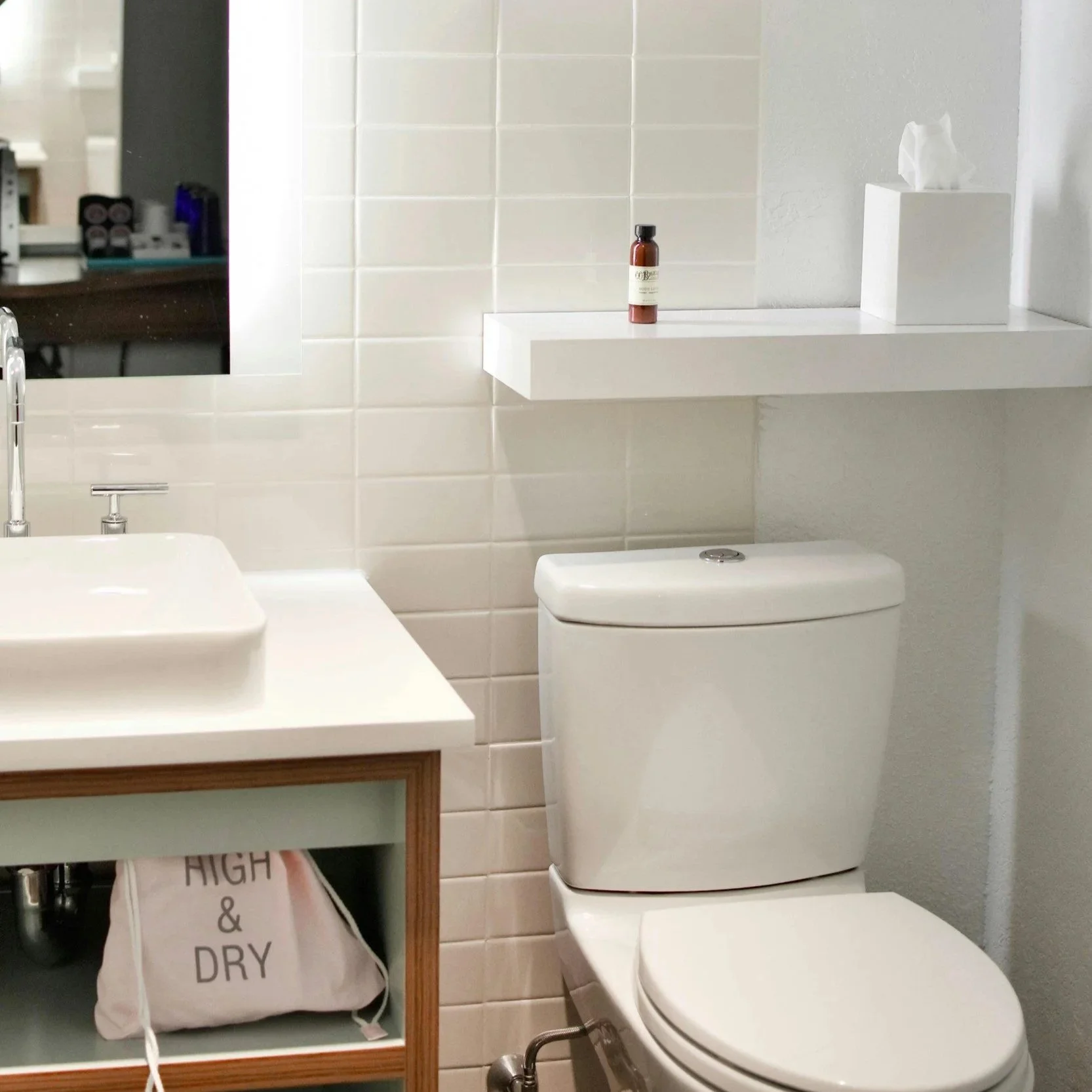
A quiet toilet is a happy one, but when the handle stops working, or the bowl won't clear, the issue usually traces back to the tank—the unsung hero behind the scenes.
Toilets might not get much credit in the glamour department, but when one refuses to flush properly, it earns everyone’s attention fast. A quiet toilet is a happy one, but when the handle stops working, or the bowl won't clear, the issue usually traces back to the tank—the unsung hero behind the scenes.
Tanks don’t ask for much. They fill, they hold, and they release. But when something inside falls out of line, even a single flush becomes a complicated affair. Many toilet flushing problems start in that porcelain box on the back, where a handful of humble parts control every swoosh, swirl, and refill.
Inside The Porcelain Puzzle Box
The tank may look like an innocent water container, but it’s a precise system of levers, valves, and seals that works in perfect coordination. When the handle is lifted, a chain raises the flapper, releasing water into the bowl, which then pushes waste through the trap and into the drain. Afterward, the fill valve refills the tank while the flapper reseals the bottom to prepare for the next round.
Over time, even minor wear inside the tank can disrupt the whole routine. A stretched chain might delay the lift. A warped flapper might leak water back into the bowl. A fill valve might lose its sense of timing and refill too slowly—or not at all.
Small issues turn into big annoyances, and the first place to look is always the tank.
The Curious Case Of The Constant Refill
A toilet that keeps running long after the flush probably has a problem with the flapper or the fill valve. The flapper is supposed to seal the hole at the bottom of the tank after water has rushed into the bowl. If it’s worn, cracked, or misaligned, it leaks—and the fill valve keeps topping it up.
That constant refill isn’t just noisy. It wastes water around the clock and can quietly inflate utility bills. The sound might come and go, tricking homeowners into thinking the issue has resolved itself. It didn’t. It’s just waiting for the next drip.
Newer flappers are made of flexible rubber, but even rubber ages. Mineral deposits build up, hard water corrodes the seal, and eventually, the flapper waves the white flag. Replacing it restores silence and efficiency with minimal drama, but ignoring it turns the tank into a 24/7 leaky faucet.
The Handle That Needs A Pep Talk
A floppy, loose, or resistant toilet handle often signals trouble inside the tank. Over time, the nut that holds the handle in place can loosen or corrode. The chain connecting the handle to the flapper might tangle or stretch, preventing the necessary lift to start the flush.
It’s a small mechanism, but without it, the whole system refuses to cooperate. Reattaching or adjusting the chain solves many handle issues. If the lever feels stuck or squeaky, it could be time to replace the handle entirely—an inexpensive fix that brings back full flush power.
Water That Creeps Rather Than Rushes
When a toilet flushes with the enthusiasm of a tired sloth, the tank is often holding back. Weak flushes usually come from one of two issues: either the water level in the tank is too low, or there’s an issue with the flush valve assembly.
Inside every toilet tank, a water line shows the ideal fill level. If the water falls short, there’s not enough pressure to create a strong flush. Adjusting the float arm or fill valve restores the balance and brings back the satisfying swoosh.
In older tanks, sediment or hard water deposits can clog internal parts, restricting flow or slowing the refill process. Cleaning or replacing those components restores both pressure and performance.
Leaks That Start In The Shadows
Not all tank issues announce themselves with sound or drama. Some leaks go completely unnoticed until the floor feels oddly damp or the wall behind the toilet shows signs of damage. Hairline cracks in the tank or worn gaskets around the bolts can allow water to seep out slowly.
A sponge behind the tank shouldn’t be a permanent fixture. If the tank shows even a hint of moisture on the outside, it’s time for a closer look. Left unchecked, slow leaks can rot flooring, damage drywall, and turn a simple toilet repair job into a full-blown remodeling project.
The Fill Valve With Identity Issues
The fill valve is the part of the tank that refills the water after a flush. In many homes, it’s the tallest piece inside the tank, attached to a float that rises as the water level rises. If the valve starts filling too slowly, not at all, or refuses to stop, it’s playing by the wrong rules.
Replacing a fill valve takes a bit of mechanical curiosity but solves a host of issues in one fell swoop. Water flows correctly. The tank fills to the proper level. The noise stops, and the flushes feel crisp and complete again.
In homes with older plumbing, water pressure fluctuations can further stress fill valves. Modern replacements tend to handle variation better and come with built-in backflow protection.
When Upgrades Meet Opportunity
Replacing tank components doesn’t mean turning the bathroom into a construction zone. In most cases, modern parts fit older models with ease and often improve performance along the way. Quieter fills, cleaner flushes, and fewer mystery noises can all result from simple upgrades inside the tank.
Toilet Repairs that target the tank don’t just solve the current problem—they help prevent future ones. A fully functional tank protects the bowl, the flooring, the water bill, and the peace of mind that comes from a reliable flush.
Proactive maintenance goes a long way in keeping toilets running smoothly. Checking the tank components every year or so, replacing worn parts, and keeping an eye (and ear) on performance prevents a lot of mid-day surprises and midnight tinkering.
The Small Box With Big Responsibility
Toilet tanks may not get much attention until they misbehave, but they carry the weight of the bathroom’s most essential function. When flushing problems arise, the tank often holds the answers—and the fix.
Knowing what to look for inside that porcelain chamber helps keep things flowing, and keeping the tank in good shape means fewer calls for emergency Toilet Repairs down the road. A toilet is a simple machine, but like any machine, it depends on each part pulling its weight. And most of that heavy lifting happens right in the tank.
Much Better Plumbing is the premier residential plumbing service for homeowners in the Las Vegas area. We offer various services, including water leak detection and repair, toilet repairs, faucet repair and replacement, and home repiping. We are licensed, bonded, and insured. Call us today.