
When Inconsistent Water Temperature Signals Water Heater Failure
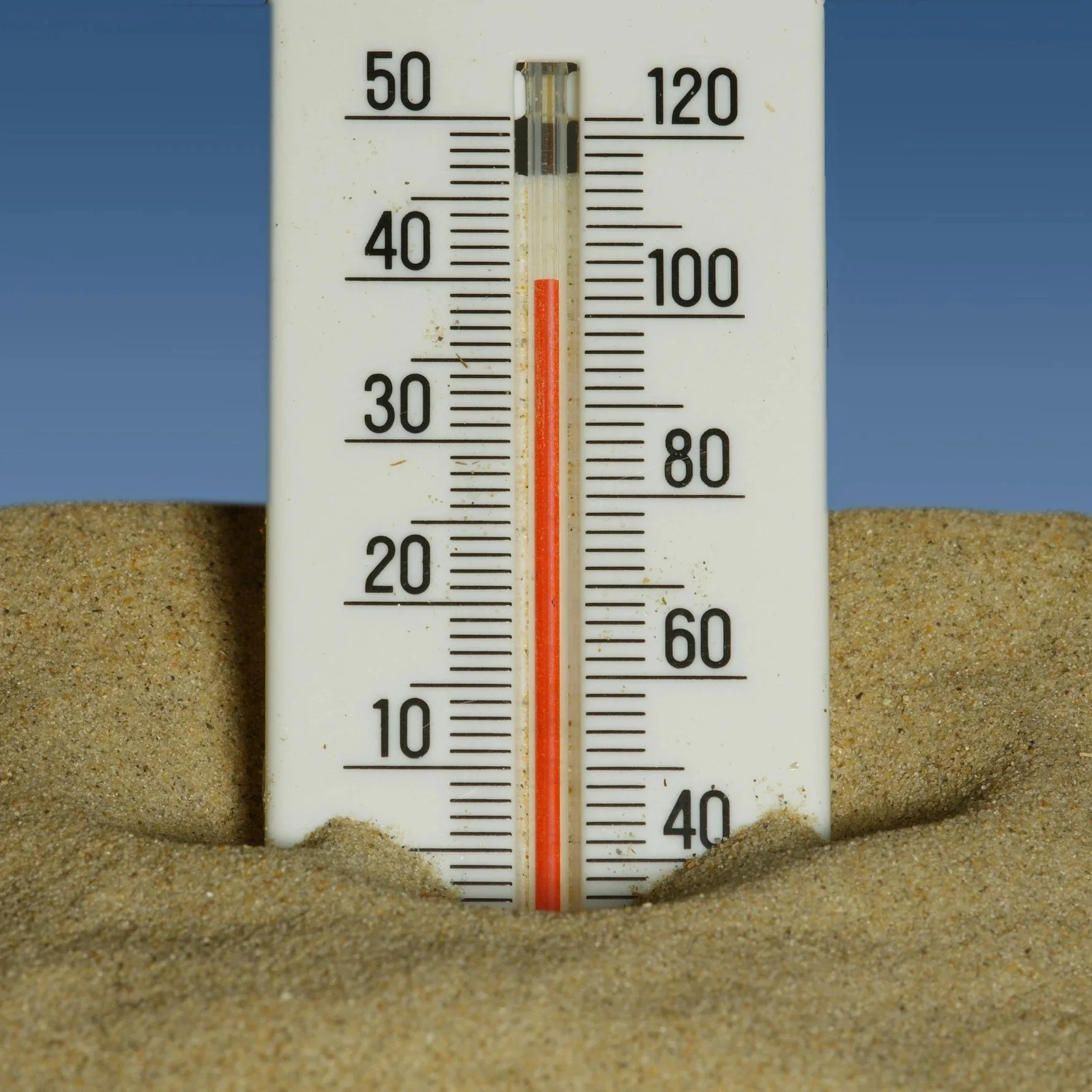
Inconsistent heat is more than an inconvenience—it's often a red flag pointing to water heater repair or replacement.
Hot water should be reliable, predictable, and comforting. When it flips between lukewarm, scalding, and freezing like a confused thermostat, something behind the scenes has started to unravel. In most cases, that culprit sits quietly in a closet, garage, or basement: the water heater. As one of the hardest-working appliances in any home, it deserves a bit of attention, especially when it begins acting out in unpredictable ways.
A consistent water temperature is one of the most obvious signs that a water heater is functioning properly. When that balance begins to shift, the issue often goes deeper than a simple glitch. Inconsistent heat is more than an inconvenience—it's often a red flag pointing to water heater repair or replacement.
When Hot Means Sometimes
Few experiences are as jarring as starting a shower with warm water, only to have it swing ice-cold mid-lather. Or worse, the reverse—a burst of heat that feels more like a sauna surprise. In homes with fluctuating water temperatures, these moments stop being rare and become part of a daily routine.
Those shifts usually signal an internal issue within the heater. Mineral deposits, worn-out components, faulty thermostats, or aging heating elements all contribute to erratic performance. The result? A temperature rollercoaster no one volunteered to ride.
The Role Of Sediment
Over time, sediment builds up inside the tank, especially in areas with hard water. That gritty layer settles at the bottom, insulating the water from the burner or heating element. Instead of efficient, even heating, the unit works overtime to compensate. Hot spots form, temperature swings follow, and the entire system starts running less efficiently.
That sediment doesn't leave quietly. It clatters, pops, and rattles, especially when the tank starts up. Those strange noises aren't quirky personality traits—they're signs that the water heater is struggling to do its job.
Worn-Out Components And Tired Thermostats
Most standard water heaters rely on thermostats to maintain consistent temperatures. When a thermostat malfunctions, the heater may randomly overheat or underheat the water. In electric units, faulty upper or lower heating elements can cause noticeable fluctuations, especially when one element fails.
Gas-powered units have their own personality quirks. A pilot light that keeps going out, a failing thermocouple, or a gas valve that won't regulate properly can all lead to hot water that feels more like a guessing game than a reliable service.
Old Age In Appliance Years
Water heaters don't wear party hats for their tenth birthday—they start showing signs of retirement. Most traditional tank models have a lifespan of eight to twelve years. As they age, their performance often slips. Fluctuating temperatures, slow recovery times, or inconsistent pressure become frequent guests.
That aging process doesn't just affect comfort. An older unit becomes more prone to leaks, inefficiency, and full-blown breakdowns. Waiting too long can mean waking up to no hot water or a flooded utility room—neither of which ranks high on anyone's to-do list.
The Trouble With Thermostatic Tangles
In homes with mixing valves, the problem may not lie solely with the heater. Thermostatic mixing valves blend hot and cold water to maintain a safe output temperature. When those valves wear out or get stuck, they stop doing their job correctly. The result? Random bursts of heat or cold that feel like someone is playing with the plumbing controls.
While the heater may still be trying its best, the distribution system above it complicates the experience. Diagnosis and repair in these cases require a bit of detective work—but often reveal the need for upgrades or replacements beyond just the tank.
Warning Signs That Don't Go Away
Water heater problems rarely fix themselves. In fact, inconsistent water temperature often leads to a cascade of other symptoms. Longer wait times for hot water. Reduced water pressure. Discolored or rusty water. Unusual smells or loud noises. These symptoms usually share a root cause and rarely improve without intervention.
Delaying water heater repair or replacement doesn't just affect showers and dishwashing; it also affects other household routines. It adds stress to pipes, valves, and other plumbing fixtures when the system works harder to keep up; as a result, every part ages faster.
When Replacement Brings Relief
Sometimes, repairs extend a water heater's life by a few more years. Replacing thermostats, flushing sediment, or updating valves can bring immediate relief. But in many cases, especially with older units, replacement becomes the smarter investment.
Modern water heaters offer better energy efficiency, faster recovery, and more consistent temperature control. Some models even allow digital monitoring and smart home integration. Tankless systems, for example, heat water on demand, eliminating the lag and swing associated with traditional tanks.
While replacement may seem like a big leap, it brings peace of mind and improved performance for years to come. Plus, it frees the household from the unpredictability of daily temperature roulette.
Choosing Reliability Over Routine Annoyance
Living with fluctuating water temperature might feel manageable at first. People adjust—shorter showers, staggered appliance use, or avoiding the bathroom during laundry time. But that routine eventually wears thin. Daily life shouldn't revolve around the heater's mood.
When the water heater stops delivering consistency, the time for action has arrived. Repair might solve the issue quickly, but when the problems stem from deeper wear, replacement often delivers better long-term value.
Professional Diagnosis Makes The Difference
A reliable plumber brings more than tools—they bring insight. Diagnosing water heater performance starts with a thorough inspection, not guesswork. Experienced technicians identify the source of the inconsistency, check for sediment buildup, test heating elements, and evaluate whether the unit still has life left in it.
When repair makes sense, they handle it efficiently. When replacement makes more sense, they guide the process with clarity, helping homeowners choose the best option for their needs and budget.
A Reliable Stream Starts With A Reliable System
Water heaters do their work out of sight, but their impact touches every part of the home. When temperature swings become part of the daily experience, the message is clear. It's not just about hot or cold—it's about reliability, comfort, and protecting the home's plumbing infrastructure.
Whether the solution lies in a minor fix or a full replacement, timely action keeps daily routines running smoothly. And few things feel better than stepping into a shower, confident that the temperature won't be changing its mind halfway through. With proper water heater repair or replacement, the comfort stays steady—and so does the peace of mind.
Much Better Plumbing offers one-stop solutions for all your residential plumbing needs. As a local, family-owned business, we value the Las Vegas community and offer slab leak detection and repair, water heater repair or replacement, water filtration, and water softeners services at reasonable rates. 24-hour emergency services available. Call us today to request a quote or schedule a service.