
The Importance of Regular Maintenance for Residential Gas Lines
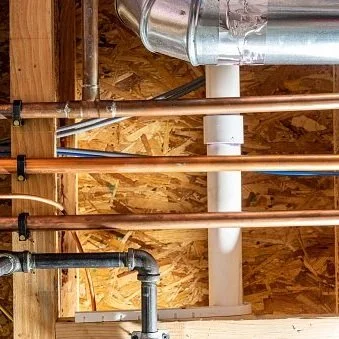
Residential gas lines are designed to last for many years, but their efficiency and safety require ongoing maintenance.
Gas lines play a crucial role in most homes, supplying the energy needed for cooking, heating, and hot water. Because of their importance, it's easy to forget that they need regular attention. Residential gas lines are designed to last for many years, but their efficiency and safety require ongoing maintenance. While it's easy to assume everything is fine as long as the stove ignites or the furnace heats, keeping gas lines in good shape is vital for the safety and comfort of your home. Regular maintenance helps prevent leaks, improve efficiency, and prolong the lifespan of the system.
Safety First: Preventing Gas Leaks
The most critical reason for maintaining gas lines is safety. Gas leaks are not something that should be taken lightly. A small leak can go unnoticed for a long time, gradually causing potential risks to both health and property. Even a slight leak can be hazardous. Gas is highly flammable, and an undetected leak could lead to an explosion or fire. If there are signs of a gas leak—like a sulfur smell, hissing sounds, or dead plants near the gas line—immediate action is necessary.
However, regular maintenance can prevent these issues from arising. Professional technicians inspect gas lines to detect any wear or minor faults that could develop into larger problems. They check for leaks, corroded pipes, and other signs of damage. The longer a gas line goes without maintenance, the more likely it is to develop a leak, putting your home and family at risk. Scheduling regular inspections helps catch potential issues early, before they turn into major safety concerns.
Boosting Efficiency: Save Money on Energy Bills
Over time, gas lines can degrade or become obstructed, leading to less efficient operation of appliances that rely on gas. Whether it's your water heater, oven, or furnace, all of these appliances depend on a steady and smooth flow of gas to function properly. When gas lines are poorly maintained, appliances can have trouble getting the fuel they need. This can lead to appliances working harder than necessary, consuming more gas, and ultimately driving up your energy bills.
Regular maintenance helps keep your gas lines in optimal condition, making sure that each appliance gets the right amount of fuel efficiently. A gas line in top condition prevents unnecessary strain on your systems, which keeps your utility costs low. Not only will your appliances work better, but they will also last longer, saving you money on repairs and replacements in the long run.
Maintaining the Integrity of Your Home’s Gas System
Gas lines run throughout your home, connecting to multiple appliances. If these lines become cracked, corroded, or otherwise damaged, the risk of problems increases. Even if a leak isn't immediately noticeable, small issues left unchecked can lead to larger, more expensive problems down the road. Regular maintenance checks by a professional can reveal potential issues before they cause significant damage. This could include replacing sections of gas lines, tightening connections, or clearing blockages that might obstruct the flow.
If left unaddressed, problems with gas lines could end up damaging your home’s structure or appliances. For instance, rusting or corroding pipes can affect your home’s foundation or cause a water leak. A professional will be able to spot these problems early, saving you from more expensive repairs in the future. Maintaining the integrity of your gas lines ensures that your entire home is safe and in working order.
Extending the Lifespan of Your Gas System
Like most systems in your home, your gas lines need care to last. While gas lines are built to last for many years, neglecting maintenance can shorten their lifespan. Over time, wear and tear can take its toll, leading to deterioration of the pipes, joints, and connections. Corrosion from moisture, weather, and other environmental factors can also affect the system.
Regular maintenance includes checking the system's overall health and looking for early signs of rust or damage. By addressing these issues as soon as they arise, you avoid more costly repairs later on. Professional inspection services often involve cleaning, lubricating, and replacing parts of the system that are showing signs of wear. This proactive approach extends the life of your gas lines, ensuring they continue to function efficiently for many years.
Minimizing the Risk of Emergency Repairs
When gas lines aren’t maintained properly, problems tend to emerge at the worst times. These issues often result in emergency situations that require immediate repairs or replacements. Emergency repairs are more expensive and can disrupt your daily routine, especially when you rely on gas-powered appliances for everyday tasks.
By scheduling routine maintenance, you can prevent emergency repairs by spotting and addressing small issues before they escalate. A technician will perform regular inspections, making sure everything is working smoothly and safely. Regular maintenance also allows for the timely replacement of aging components, which helps avoid last-minute breakdowns and saves you money in the long term.
Regulatory Compliance and Insurance
In many areas, building codes require that residential gas lines be inspected and maintained regularly. Failing to adhere to these regulations can lead to fines, issues with insurance claims, and complications when selling your home. A gas line inspection can provide documentation of compliance, which could be important when selling the property or dealing with an insurance company. Regular maintenance shows that you’re keeping up with safety regulations and caring for your home’s infrastructure.
Insurance companies also require that gas lines be maintained in good condition to minimize the risk of fires, explosions, or other damage. If your gas line were to break or malfunction, and it was found to be due to neglect, it could affect your insurance coverage or claims. Regular maintenance helps avoid these scenarios, keeping both your home and your insurance policy protected.
The Peace of Mind That Comes with Regular Maintenance
Finally, one of the most valuable benefits of regular gas line maintenance is the peace of mind it provides. Knowing that your gas lines are regularly inspected and well-maintained means you don’t have to worry about potential hazards in your home. You can use your gas-powered appliances with confidence, knowing that your gas system is safe and efficient.
Regular maintenance isn’t just about preventing problems—it's about creating a home environment where safety and comfort are prioritized. It reduces stress and allows homeowners to focus on other important things, without constantly worrying about gas line malfunctions or leaks. Professional inspections and routine care are an investment in the longevity of your gas system, and by extension, the comfort and safety of your home.
Conclusion
Regular maintenance of residential gas lines is more than just a good idea—it’s essential for safety, efficiency, and the longevity of your home’s gas system. Gas leaks can be dangerous, posing health risks, causing property damage, and even leading to fires. At the same time, neglected lines can result in higher energy bills and more expensive repairs down the line. By scheduling routine inspections and maintenance, you can prevent these issues and keep your gas lines in peak condition. With proactive care, you’ll improve your home's safety, extend the life of your gas system, and enjoy the comfort and peace of mind that come with knowing your home is in good hands.
Much Better Plumbing is a leading residential plumbing service provider in the Las Vegas Area. Whether you need shower valves and trim, garbage disposals, gas line, sewer cleaning and repair, or pressure regulators services, our licensed, bonded, and insured plumbers are available round the clock to serve you. Contact us today.